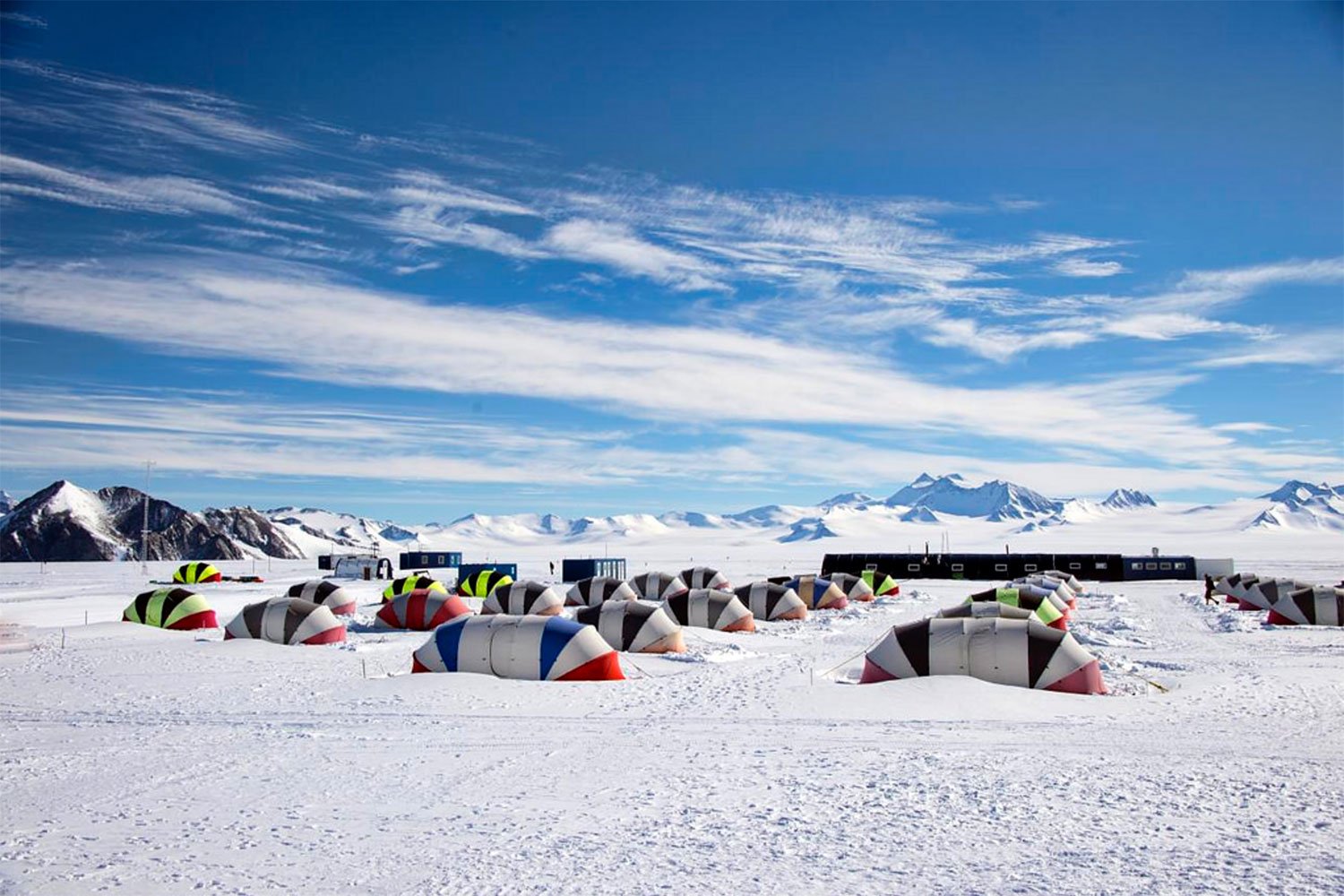

Wondering where to stay in Antarctica? Forget conventional hotels—they don’t exist on the white continent due to strict environmental regulations. However, this doesn’t mean sacrificing comfort. While traditional Antarctica hotels are not available, travelers can enjoy unique alternatives such as luxurious polar pods and sturdy expedition tents on glaciers, offering diverse amenities and stunning ocean views.
Even in Earth’s most isolated place, visitors find remarkably comfortable options. Whether dreaming of exclusive luxury camps with gourmet meals or expedition adventures at the South Pole, choices match varied preferences. This guide explores the best places to stay—luxury lodges, expedition camps, and ships—helping you find the perfect base for your Antarctic adventure.
Key Takeaways
No conventional hotels exist in Antarctica, but visitors can choose from luxury camps, expedition facilities, or cruise ships.
Luxury options like Whichaway and Echo Camps offer surprisingly comfortable accommodations with heated pods, gourmet dining, and private bathrooms.
Expedition camps like Union Glacier and Gould Bay provide more adventure-focused experiences with specialized tents designed for extreme conditions.
Most visitors access Antarctica via cruise ships that serve as floating hotels while exploring the Antarctic Peninsula.
Land-based accommodations require flying from Cape Town or Punta Arenas, while ship-based options typically depart from Ushuaia.
All Antarctic accommodations operate under strict environmental protocols to preserve the pristine wilderness.
The Antarctic travel season runs only from late October through early March, with all facilities closing for winter.
Understanding Antarctic Accommodation Options
Lodging in Antarctica is unique. Governed by the Antarctic Treaty, strict environmental rules mean no traditional hotels. Accommodations fall into two main categories: land-based and ship-based. Land options include luxury and expedition camps run by operators like White Desert, Ultima, and Antarctic Logistics and Expeditions (ALE), operating during the milder austral summer (Nov-Feb).
Accessing these camps requires flying from Cape Town or Punta Arenas to Antarctic ice runways. These options are significantly pricier than cruises but offer deep immersion in the interior, enabling visits to emperor penguin colonies or the South Pole. Ship-based stays remain the most popular, navigating the Peninsula while guests return to comfortable cabins nightly.
Luxury Camps in Antarctica
Imagine sipping champagne gazing at icy vistas or enjoying chef-prepared meals after ice climbing—this is Antarctic luxury camping, the continent’s most exclusive option. These facilities blend five-star comfort with adventure in an extreme environment, offering private chefs, hot showers, quality linens, and even saunas.
Remarkably, these camps operate with minimal environmental impact, using solar power, passive heating, and comprehensive waste management, leaving no trace. All materials are removed seasonally. The experience often includes guided activities, from ice tunnel treks to kite-skiing and penguin colony visits. While premium-priced (often $50,000+ pp), they offer perhaps Earth’s most extraordinary stay.
Whichaway Camp, Queen Maud Land (White Desert)
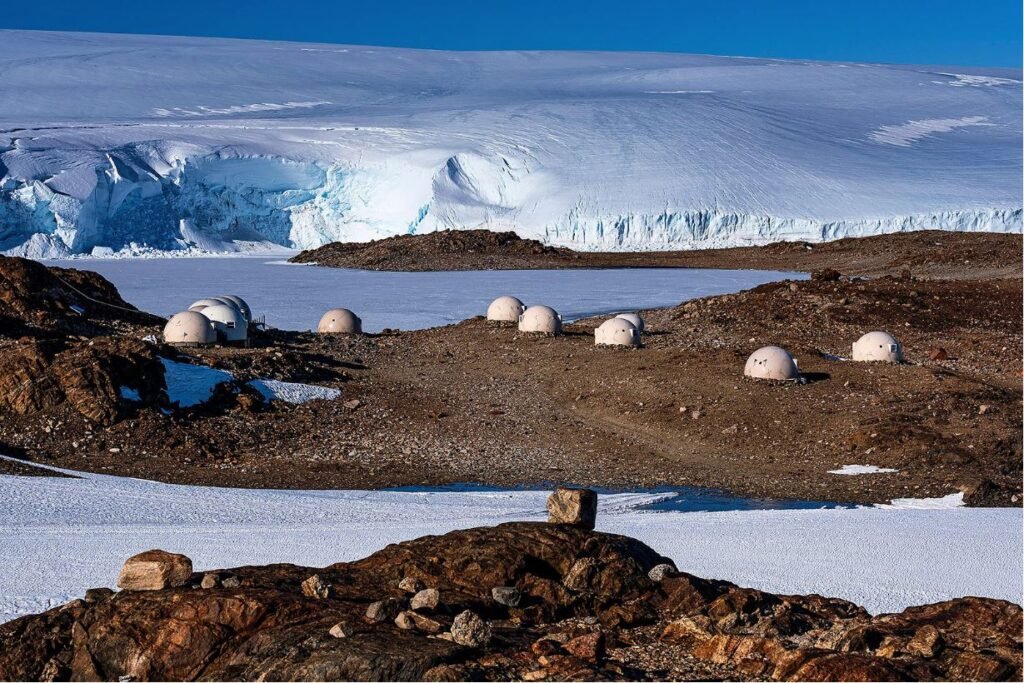
White Desert’s flagship, Whichaway Camp, is the closest thing to a hotel in Antarctica. Located in Queen Maud Land’s Schirmacher Oasis beside a freshwater lake and glacier, it offers stunning views. Six cozy polar pods evoke the “Heroic Age” of exploration, blending history with luxury. Each eco-friendly fiberglass pod features heating and private bathrooms. Communal pods house a dining area with gourmet meals by a private chef, a library, and lounge.
Accessed via Wolf’s Fang runway (flights from Cape Town), Whichaway is a base for:
Excursions to blue ice tunnels
Emperor penguin visits at Atka Bay
South Pole flights
Adventure activities (abseiling, kite-skiing)
Echo Camp, Queen Maud Land (White Desert)
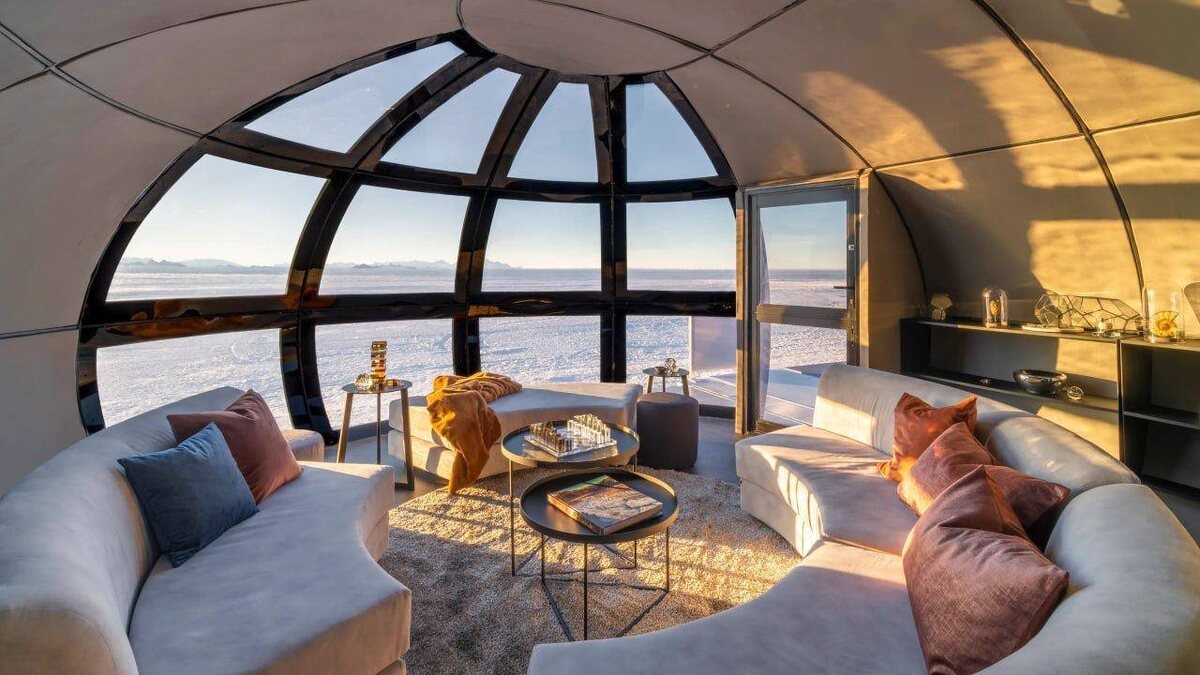
Echo Camp delivers futuristic luxury with space-inspired “Sky Pods.” Opened in 2022, this exclusive camp hosts just 12 guests. The six pods feature floor-to-ceiling windows immersing guests in the polar landscape. Each has ensuite facilities and stylish interiors with space-themed decor, including photos from the ISS. Constructed from composite fiberglass, they offer an otherworldly aesthetic.
The camp includes an art deco lounge, library, and personalized dining by a dedicated chef. Accessed via Wolf’s Fang runway (flights from Cape Town), activities include:
Abseiling ice formations
Fat-tire biking
Alpine hiking & nunatak scaling
SkiDoo excursions
Wolf’s Fang Camp, Queen Maud Land (White Desert)
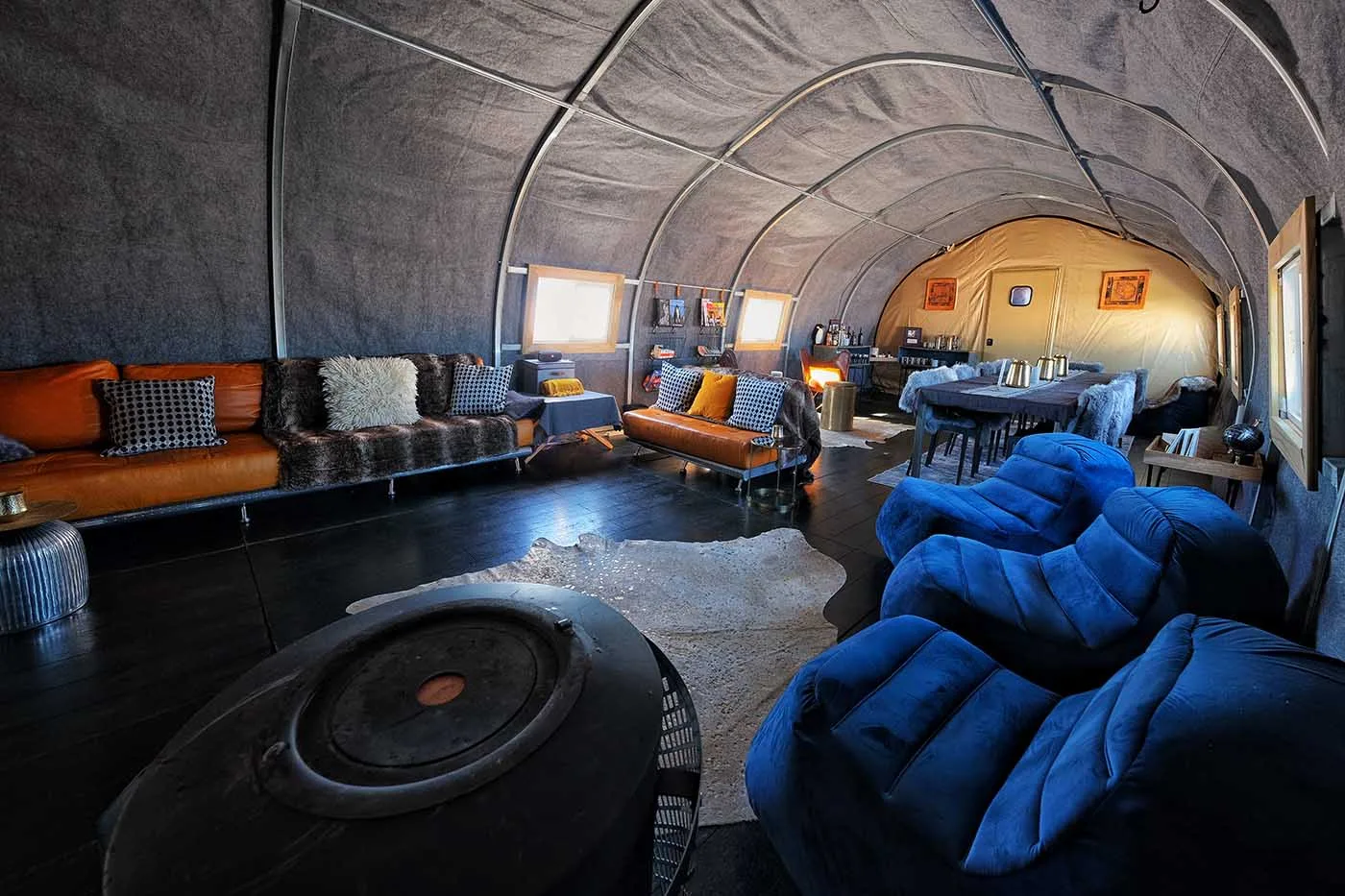
Wolf’s Fang Camp provides adventure-focused luxury on a glacier, backdropped by the jagged Kurze Mountains. It balances comfort and immersion, featuring heated bedroom and shower tents instead of pods. Comfortable lounge and dining areas offer excellent meals. A unique Ice Bar provides refreshments with panoramic mountain views.
Its proximity to the private Wolf’s Fang Runway (access from Cape Town) makes it ideal for exploring the spectacular mountain landscapes. Activities specialize in:
Mountaineering in the Kurze Mountains
Technical ice climbing
Skiing and fat-tire biking
Abseiling and SkiDoo tours
Three Glaciers Retreat, Ellsworth Land (ALE)
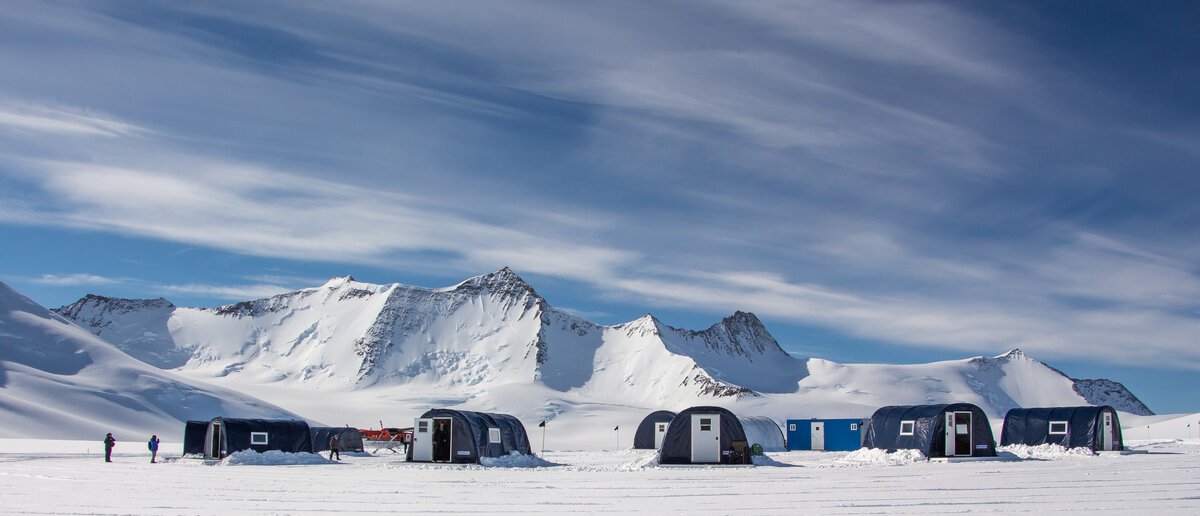
Antarctic Logistics & Expeditions’ (ALE) premium option, Three Glaciers Retreat, sits in the Heritage Range at the junction of three glaciers, with the stunning Ellsworth Mountains as its backdrop. This exclusive retreat accommodates 16 guests in eight heated, double-walled tented suites with luxury bedding. Uniquely, it’s the only luxury camp with ensuite showers. A private chef prepares gourmet meals with fresh ingredients flown from Chile in the dining suite. A comfortable lounge and library offer relaxation spaces.
Accessed via Union Glacier runway (flights from Punta Arenas), activities include:
Snowmobiling across glaciers
Cross-country skiing
Trekking to viewpoints
Snow volleyball
Expedition Camps in Antarctica
For those prioritizing authentic polar exploration over luxury, expedition camps offer the ideal solution. Ice camp and temporary ice camps are types of accommodations available in Antarctica, providing basic yet comfortable lodging for small groups. While more basic, these engineered facilities provide essential comfort, warmth, and protection. They feature specially designed tents with insulated floors and quality sleeping gear, enduring extreme conditions. Communal heated dining tents serve as social hubs for meals and planning.
Accessible only by ski-equipped aircraft, these camps are gateways to extraordinary experiences like visiting emperor colonies or the South Pole. They operate under strict environmental protocols, with complete removal at season’s end, preserving Antarctica’s pristine state. They balance basic comfort with genuine polar adventure.
Union Glacier Camp, Ellsworth Land (ALE)
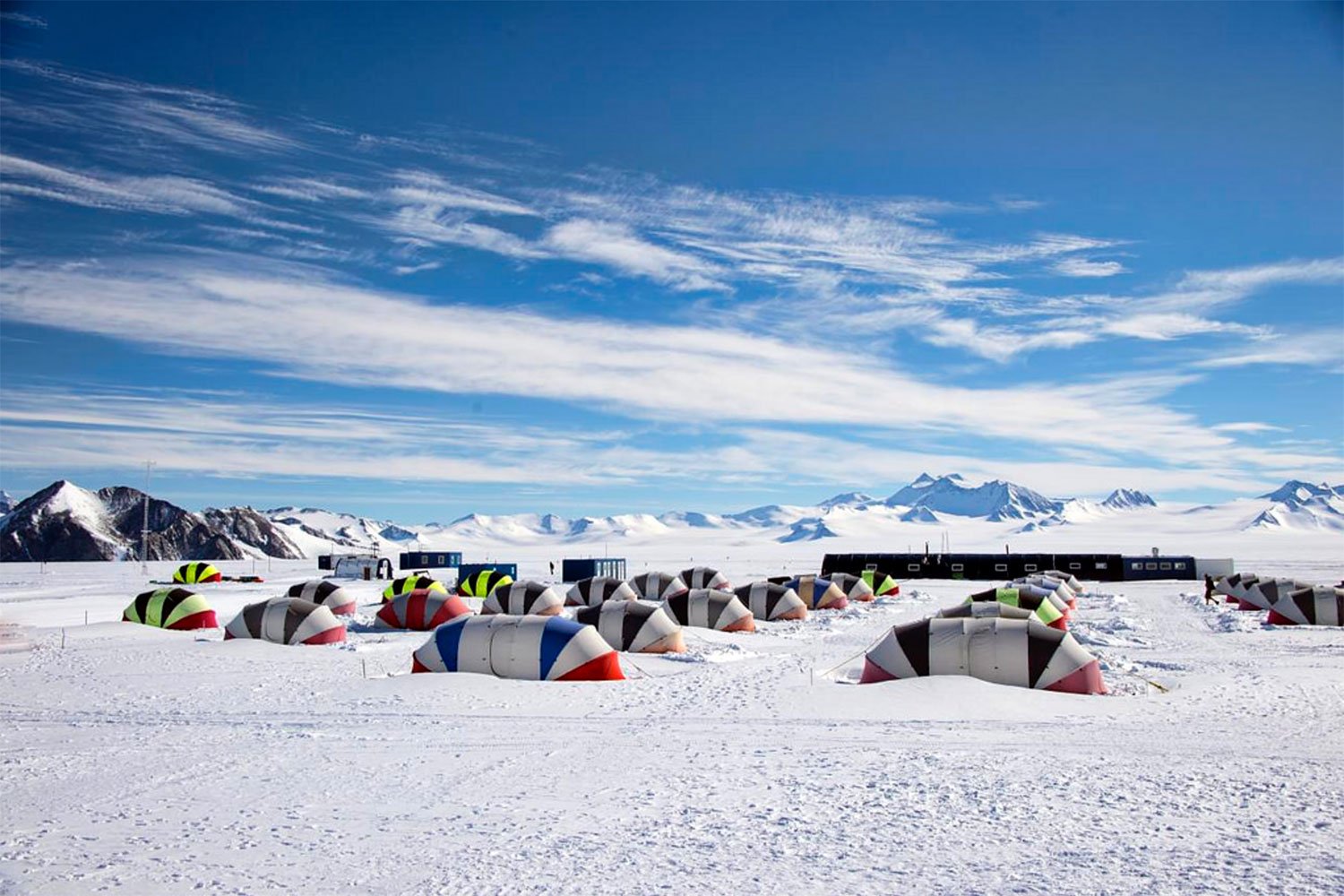
ALE’s flagship facility in West Antarctica, Union Glacier Tented Camp, lies in the spectacular Heritage Range. This full-service camp operates during the Antarctic summer, serving as the gateway to many adventures. Accommodating up to 70 guests in spacious, unheated but well-insulated two-person clamshell tents with wooden floors, it utilizes continuous summer sunlight for warmth. A large dining tent serves high-quality meals, complemented by a lounge and polar library.
Accessed from Punta Arenas, Chile, Union Glacier is the base for:
South Pole expeditions
Gould Bay emperor penguin visits
Mount Vinson climbs
Activities like fat-biking, skiing, and skydiving
South Pole Camp (ALE)
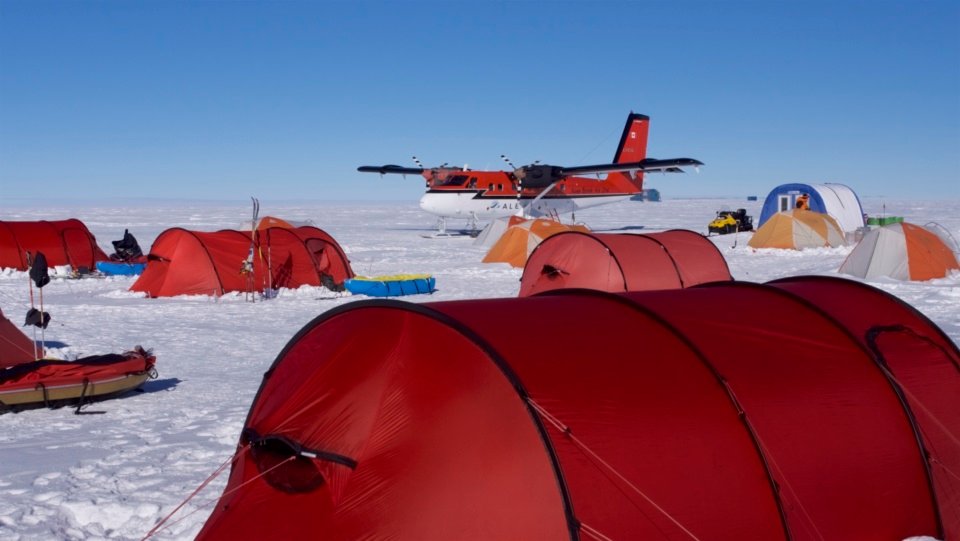
Dubbed “the World’s Southernmost Resort,” South Pole Camp offers the rare chance to stay near the Geographic South Pole at ~11,000 feet elevation. This specialized camp provides essential comfort in one of Earth’s most extreme locations. Accommodation is in heated Arctic Oven tents designed for harsh conditions. A marked trail leads to the Pole and the Amundsen-Scott South Pole Station.
Facilities include a heated dining tent for hot meals and socializing. Field toilets are available; showers are not, reflecting the extreme location’s limitations. Activities focus on this iconic spot:
Visiting the exact South Pole
Touring the research station (when permitted)
Learning polar exploration history
Gould Bay Emperor Penguin Camp
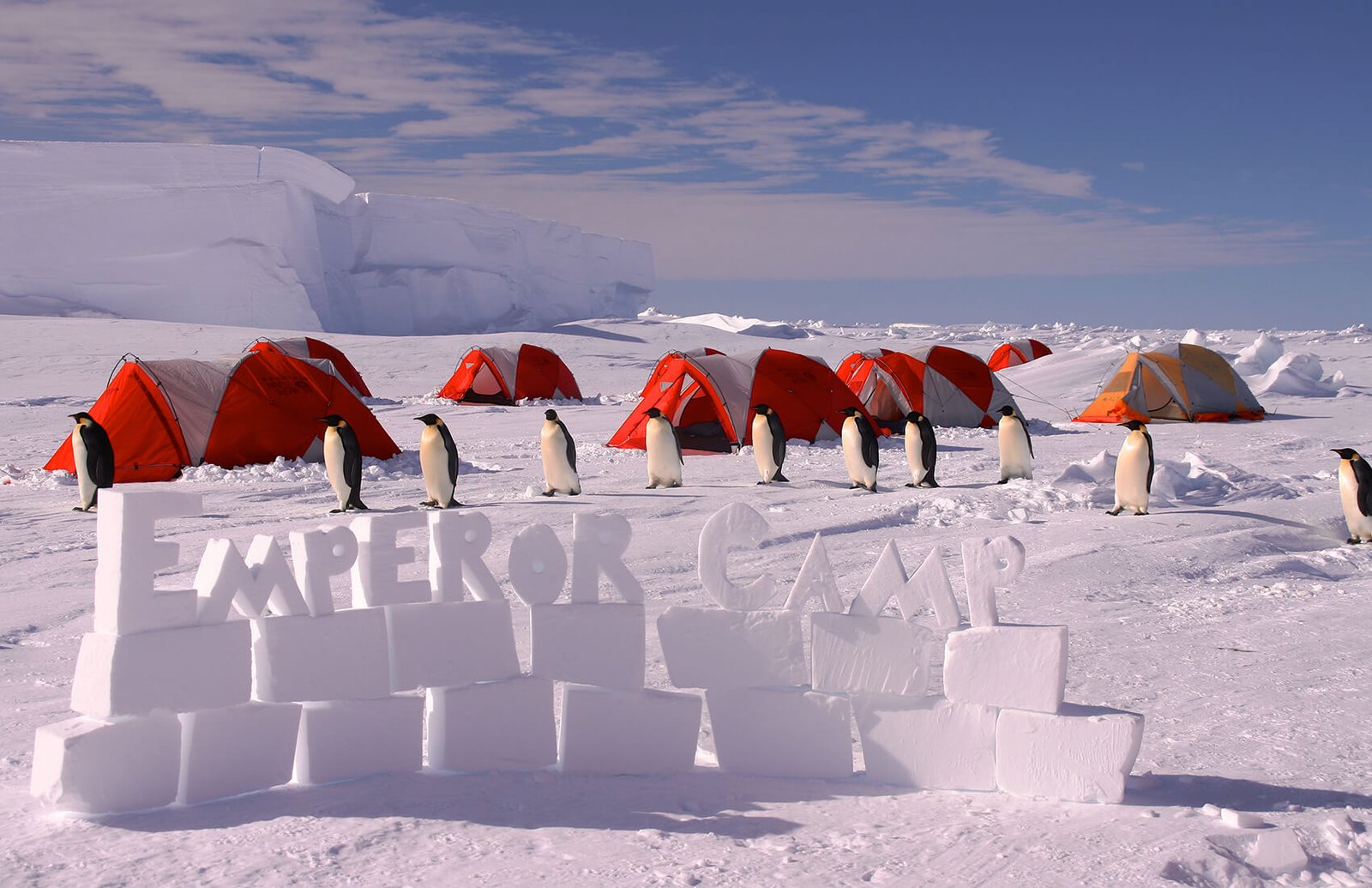
The Gould Bay Camp provides a unique Antarctic experience as the only tourist camp on sea ice, specifically for observing emperor penguins. King George Ice Camp is another unique accommodation option in Antarctica, offering a basic yet comfortable stay for small groups. Located on the southern Weddell Sea’s Ronne Ice Shelf, this temporary field camp operates while penguins raise their chicks. Accommodation is in unheated 4-season mountaineering tents with polar-rated sleeping bags. Communal tents offer heated spaces for meals and discussions.
Positioned at least one mile from the colony to minimize disturbance and using natural screens, the camp embodies environmental care. It’s completely dismantled seasonally, leaving no trace. Activities focus exclusively on respectful wildlife observation and photography:
Guided visits to the emperor penguin colony
Photography opportunities
Lectures on penguin biology
Comparing Antarctic Land-Based Accommodations
The following table provides a quick comparison of key land-based options:
Camp Name | Operator | Location | Access Via | Style | Key Feature | Price Indicator |
Whichaway | White Desert | Queen Maud Land | Cape Town | Luxury Pods | Gourmet dining, penguins | $ |
Echo | White Desert | Queen Maud Land | Cape Town | Futuristic Pods | Space-inspired design | $ |
Wolf’s Fang | White Desert | Queen Maud Land | Cape Town | Heated Tents | Mountain views, adventure focus | $$$$ |
Three Glaciers Retreat | ALE | Ellsworth Land | Punta Arenas | Luxury Tents | Private ensuite showers | |
Union Glacier | ALE | Ellsworth Land | Punta Arenas | Clamshell Tents | Gateway hub, largest camp | $$$ |
South Pole Camp | ALE | Geographic South Pole | Via Union Glacier | Arctic Oven Tents | Stand at the South Pole | $$$$ |
Gould Bay | ALE | Weddell Sea | Via Union Glacier | Expedition Tents | Emperor penguin colony | $$$$ |
Antarctic Cruise Accommodations
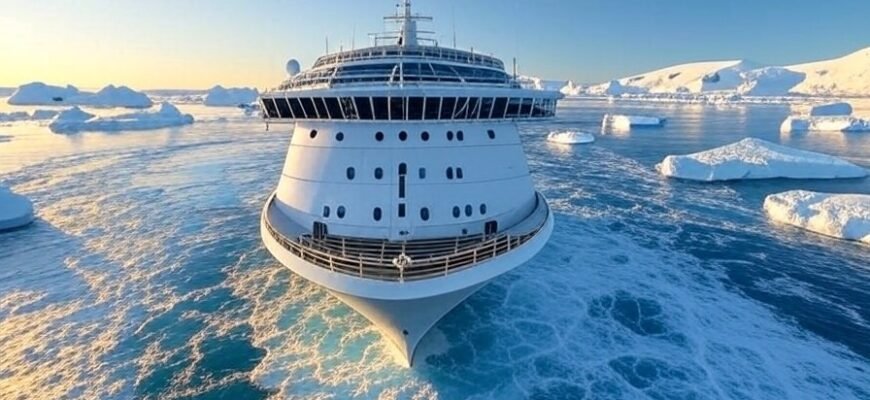
While land camps offer interior immersion, most visitors experience Antarctica via cruise ships navigating the Peninsula. These floating hotels provide comfort while exploring multiple sites via Zodiac excursions. Styles vary dramatically: expedition vessels offer practical cabins and greater maneuverability for exploration, carrying fewer passengers (50-200). Luxury cruise ships feature high-end suites with butler service, private balconies, and premium amenities.
Many cruises offer optional overnight camping on the mainland or islands in bivy sacks or tents, adding adventure. Ship-based stays are ideal for families and first-timers, offering accessibility, relative affordability, comfort, excellent cuisine, and expert guidance, allowing exploration of diverse landscapes and wildlife.
Specialized Antarctic Vessels
Antarctic vessels are often purpose-built for polar environments. Ships like MS Seaventure boast the highest ice-class rating, accessing remote areas. They feature amenities like citizen science labs, heated pools, advanced stabilization, and easy Zodiac access. Cutting-edge designs, like Greg Mortimer’s Ulstein X-BOW®, offer smoother Drake Passage crossings, reduced fuel use, and enhanced stability.
These vessels facilitate activities like kayaking and snowshoeing, carrying necessary equipment onboard. Their technical capabilities allow deeper navigation into ice fields and remote harbors, maximizing exploration while providing a safe, comfortable base.
Research Stations as Accommodation
Beyond tourist facilities, Antarctica hosts numerous research stations operated by various countries. These primarily house scientists and support staff, serving as year-round working bases, not tourist lodgings. They are well-equipped for long-term residents, many operating through the dark, harsh Antarctic winter.
Some countries offer limited programs for artists and writers to visit, fostering cultural perspectives on Antarctic science. Stations typically feature functional dormitories, labs, and recreational spaces. While inaccessible to general tourists, they represent another facet of Antarctic life, supporting critical research.
Environmental Considerations and Leave No Trace Principles
Antarctica’s environment is fiercely protected. All accommodations adhere to strict protocols preventing permanent impact:
Use of solar power and passive heating.
Complete removal of all waste, including human waste.
Secure fuel storage and spill prevention.
Careful site selection to avoid wildlife disturbance.
Temporary structures designed for traceless removal.
Operators take extraordinary measures, like positioning the Gould Bay camp far from penguins and dismantling everything seasonally. Many collaborate with scientists, providing logistical support for research, ensuring tourism aids conservation. These standards keep Antarctica pristine for future generations.
Planning Your Antarctic Stay
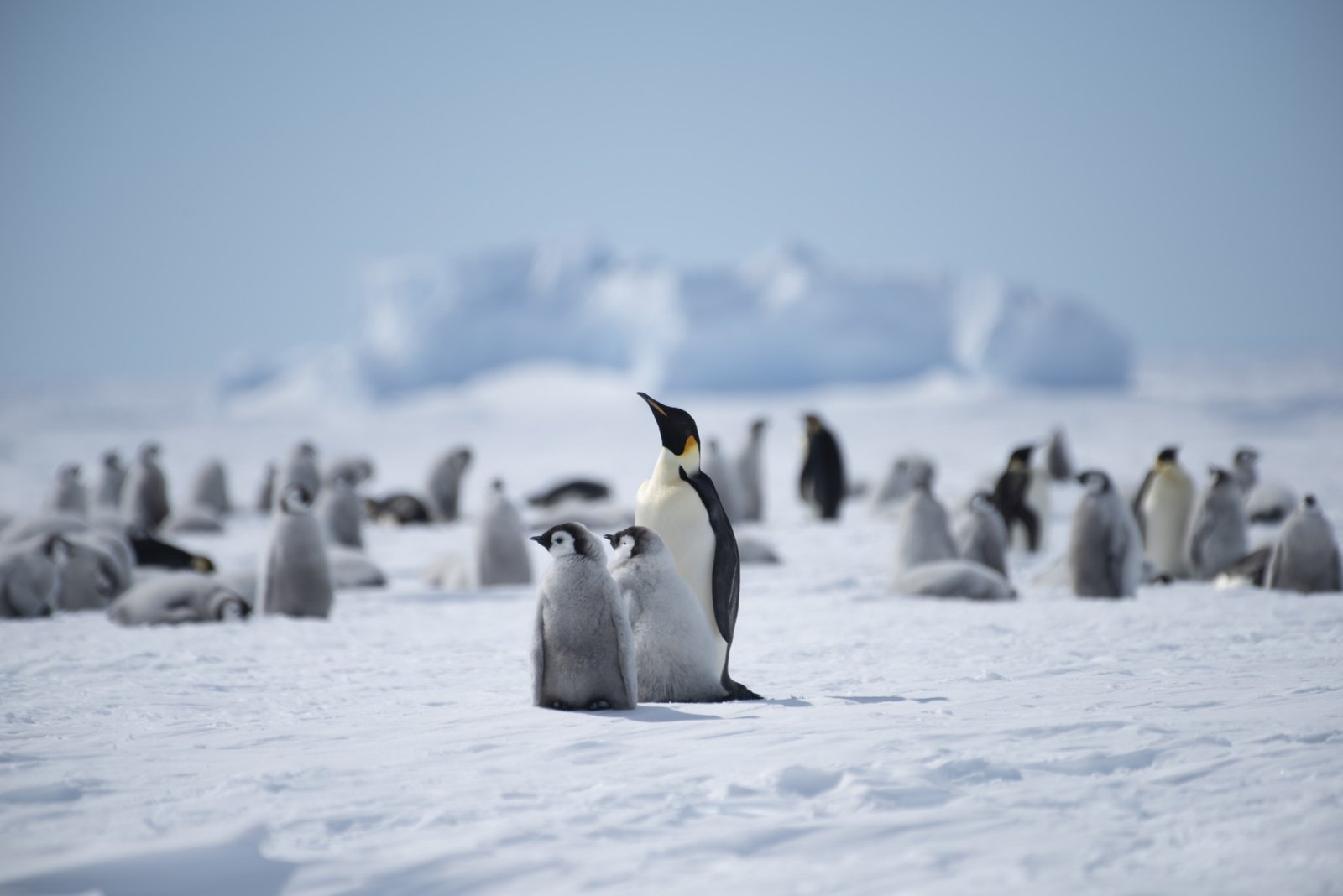
Planning requires considering timing, preferences, and budget. The travel season is brief: late October to early March (Austral Summer). The best time to visit Antarctica is during the summer months, from December to February, when travelers can observe unique wildlife and stunning natural landscapes.
Key tips:
Book far in advance: Luxury camps and popular cruises sell out a year+ ahead.
Consider shoulder season: Nov or Mar may offer savings and unique wildlife.
Match accommodation to interests: Wildlife, adventure, luxury?
Budget realistically: Land camps start ~ 30.000$ per person, cruises ~ 7.000$
Get comprehensive travel insurance: Include evacuation coverage.
Be flexible: Weather dictates schedules.
Ship options suit first-timers/families. Luxury camps attract those seeking exclusivity. Specialized camps serve niche interests (penguins, mountaineering). An adventurous spirit and flexibility are essential for enjoying this extraordinary destination.
Conclusion: Choosing Your Antarctic Experience
Selecting the right Antarctic accommodation shapes your adventure. Whether you envision luxury pods with gourmet meals, expedition tents near penguins, or comfortable ship cabins exploring the Antarctic Peninsula, an option matches your dream. Each offers a unique balance of luxury, adventure, and immersion. Reflect on your priorities—wildlife, activities, comfort, exclusivity—to choose the perfect way to experience Earth’s most remote and extraordinary continent.
FAQ
Where do people stay when they visit Antarctica?
Visitors stay in three main types of accommodations: luxury camps with heated pods (like Whichaway or Echo Camp), expedition facilities with specialized tents (like Union Glacier Camp), or aboard cruise ships that navigate the Antarctic Peninsula.
Can tourists stay overnight in Antarctica?
Yes, tourists can stay overnight in Antarctica through luxury camps, expedition facilities, or by camping overnight while on an Antarctic cruise. All accommodations operate only during the Austral summer season (late October through early March).
How many days is enough for Antarctica?
Most Antarctic journeys range from 10-21 days. Ship-based expeditions typically last 10-14 days, while land-based experiences often run 7-12 days. The duration depends on your interests, budget, and whether you’re visiting the Antarctic Peninsula or the remote interior.
Are there hotel rooms in Antarctica?
No, there are no conventional hotels in Antarctica due to strict environmental regulations. Instead, visitors stay in specially designed accommodations like luxury fiberglass pods at camps such as Whichaway, expedition tents at places like Union Glacier, or cabins aboard cruise ships.