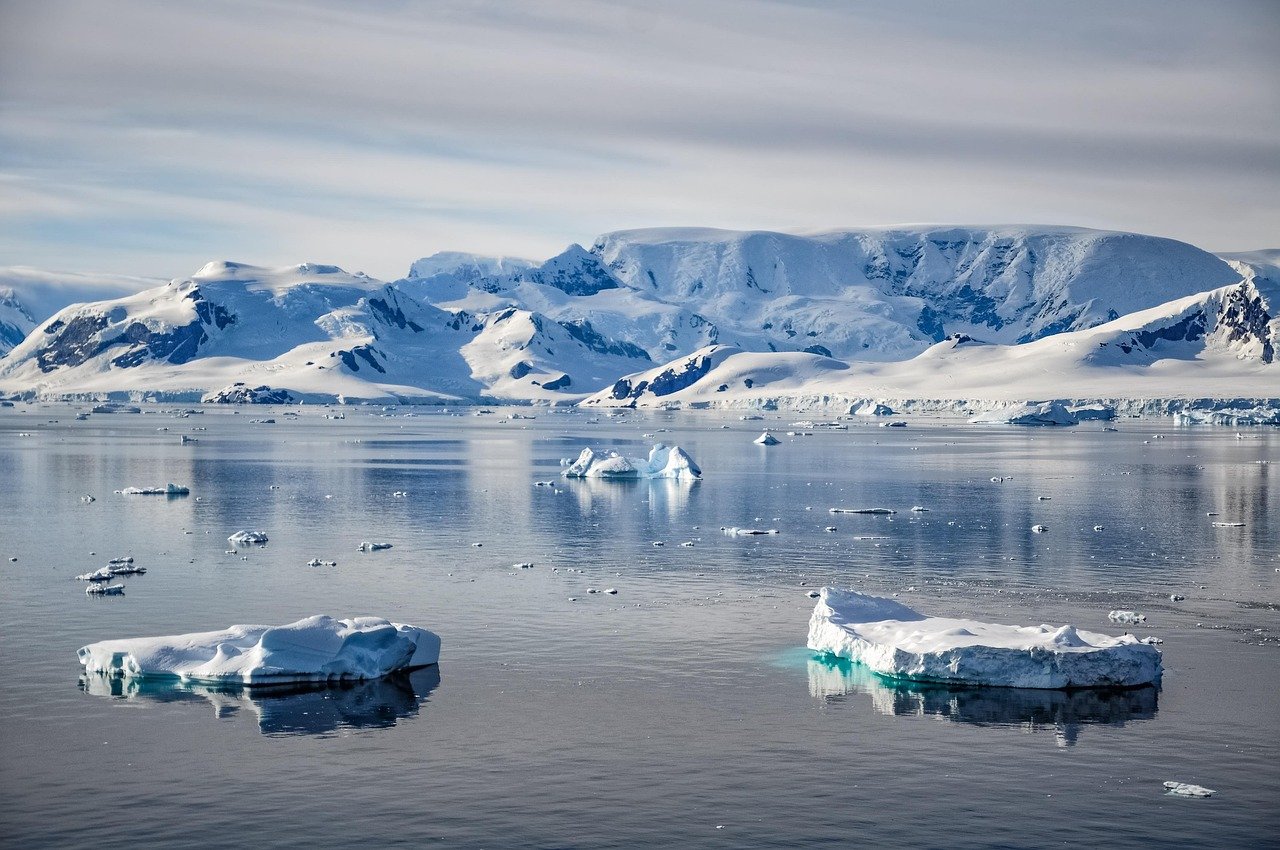
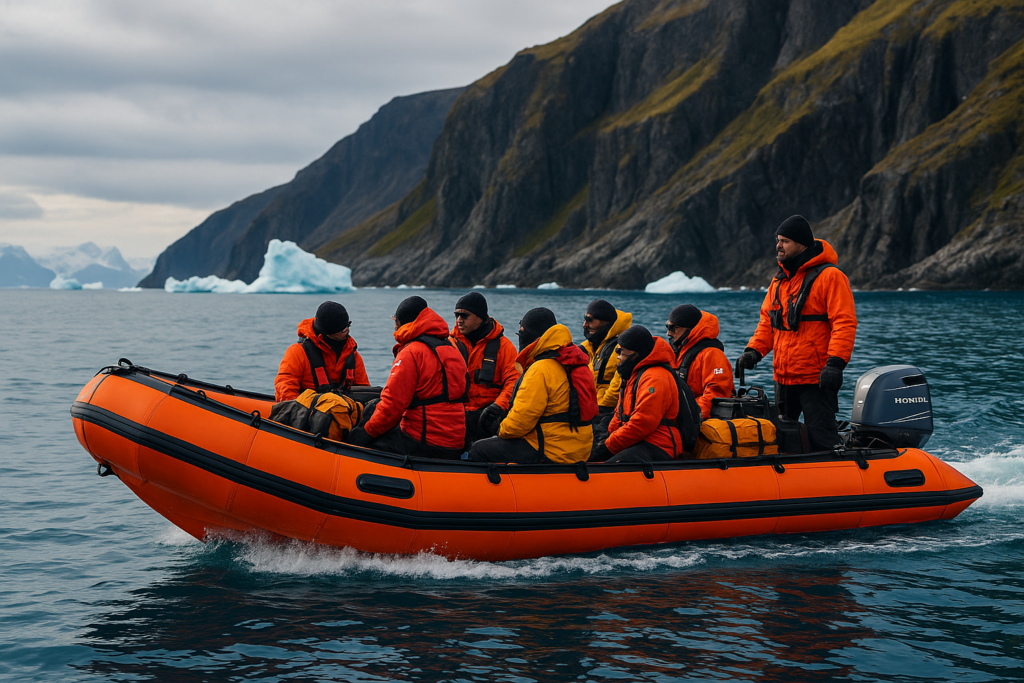

I still remember my first time approaching a massive tabular iceberg in Antarctica, standing in the bow of our zodiac boat as our driver navigated through the scattered ice. The vessel's remarkable stability and maneuverability allowed us to get incredibly close to the ancient ice formation – something that would've been impossible with any other type of craft. After fifteen years guiding expedition cruises to the world's most remote locations, I can confidently say that zodiac boats are the unsung heroes of polar exploration.
What exactly is a zodiac boat, and why do expedition companies rely on these inflatable boats so heavily? Throughout this guide, I'll share everything I've learned about these essential vessels – from their fascinating origins to the technical features that make them indispensable for accessing remote locations where traditional cruise ship tenders simply can't go. Whether you're planning your first Antarctic expedition or you're curious about the engineering behind these remarkable craft, you'll discover why zodiacs have become synonymous with adventure travel.
What Makes a Zodiac a "Zodiac"?
Here's something that surprises many passengers during our pre-departure briefings: "Zodiac" is actually a brand name, much like Kleenex or Band-Aid. The term has become so universally associated with inflatable pontoon boats that we use it generically, but technically, only boats manufactured by Zodiac Nautic company can claim the true zodiac designation. However, in expedition cruising, we typically use "zodiac" to describe any rigid-hulled inflatable boat (RHIB) that serves as our primary landing craft.
What distinguishes a proper zodiac boat from other inflatable boats are several key characteristics. These vessels feature a rigid hull – usually constructed from fiberglass or aluminum – combined with inflatable pontoons that provide exceptional stability and buoyancy. The pontoons are manufactured from heavy-duty synthetic materials that can withstand contact with ice, rocks, and coral without puncturing. An outboard engine powers the craft, while the shallow draft design allows operation in waters where larger vessels fear to venture.
The versatile nature of these boats stems from their unique construction. Unlike traditional boats with solid hulls, the inflatable pontoons create a wide, stable platform that's nearly impossible to capsize. I've operated zodiacs in conditions that would challenge much larger vessels – from navigating through pack ice in the Arctic to approaching wildlife in the surf zones of remote beaches. The combination of durability, stability, and maneuverability makes these boats absolutely essential for expedition operations.
The Origins and Evolution of Zodiac Boats
The zodiac story begins in 1896 when Maurice Mallet founded the company to manufacture airships and dirigibles. However, it wasn't until the 1930s that Zodiac Nautic pivoted to inflatable boats, initially developing life rafts for aviation use. The real breakthrough came in the 1950s when French physician Alain Bombard crossed the Atlantic in a zodiac, proving these inflatable boats could handle serious ocean conditions.
Jacques Cousteau's adoption of zodiac boats for his underwater exploration work truly established their reputation in the marine world. Watching Cousteau's documentaries, you'll notice how these boats allowed his team to access remote locations and launch diving operations from areas where conventional vessels couldn't operate. This versatility caught the attention of military forces worldwide, and zodiacs became standard equipment for special operations, rescue missions, and amphibious landings. Today's expedition cruise fleet owes much to these early pioneers who demonstrated that inflatable boats could be both durable and dependable in challenging conditions.
Anatomy of a Zodiac Boat: Key Features and Design
Understanding zodiac construction helps explain why these boats excel in expedition environments. The rigid hull forms the foundation, typically measuring between 12 and 22 feet in length for expedition use. This hull provides the structural integrity needed to mount powerful outboard engines while maintaining the shallow draft essential for beach landings. The hull design also incorporates drainage systems and reinforced attachment points for safety equipment.
The inflatable pontoons represent the true engineering marvel of zodiac design. Constructed from multiple air chambers using heavy-duty Hypalon or PVC materials, these pontoons can maintain buoyancy even if one chamber fails. The pontoon system creates remarkable stability – I've watched passengers stand and move around confidently in conditions that would have them gripping railings on traditional boats. The bow design typically features a pointed configuration that cuts through waves efficiently while providing easy boarding access.
Modern zodiacs incorporate numerous safety and comfort features based on decades of operational experience. Reinforced rubbing strakes protect the hull during beach landings, while multiple grab lines around the pontoons provide secure handholds. The spacious cockpit accommodates expedition passengers wearing bulky cold-weather gear, and non-slip surfaces ensure safe footing even when the boat is wet. Engine selection varies, but most expedition zodiacs use reliable four-stroke outboards ranging from 40 to 90 horsepower.
The modular construction allows zodiacs to be transported easily and assembled quickly. During ship repositioning cruises, I've watched crew members deflate and store multiple zodiacs in surprisingly compact spaces. This portability extends the operational range of expedition vessels, enabling companies to deploy zodiac fleets to remote locations where permanent infrastructure doesn't exist.
Performance Characteristics
In fifteen years of zodiac operations, I've consistently been impressed by their wave-handling capabilities. The inflatable pontoons act as shock absorbers, cushioning the impact of waves that would jar passengers in rigid hulls. This characteristic becomes particularly valuable during wet landings on exposed beaches, where surf conditions can change rapidly. The zodiac's ability to absorb wave energy while maintaining forward momentum allows drivers to time their approach and land safely.
The shallow draft advantage cannot be overstated for expedition work. Where traditional boats require several feet of water depth, zodiacs can operate in less than two feet, opening up countless landing opportunities. I've approached penguin colonies, seal haul-outs, and remote archaeological sites that remain inaccessible to conventional vessels. This capability extends our exploring range significantly, allowing passengers to step directly onto beaches without requiring dock facilities.
Maneuverability represents another crucial performance advantage. The combination of lightweight construction and responsive outboard power allows zodiac drivers to navigate tight spaces and react quickly to changing conditions. Whether threading between ice floes or positioning for optimal wildlife photography, these boats respond instantly to operator input. The wide beam provides a stable platform for passengers while the responsive handling ensures we can maintain safe distances from potentially dangerous wildlife or environmental hazards.
The Zodiac Experience: What to Expect
Boarding a zodiac requires a different technique than stepping aboard traditional boats. During our safety briefings, I always demonstrate the "sailor's grip" – grasping your companion's forearm rather than their hand for maximum security. The zodiac's inflatable sides provide a soft but surprisingly stable platform for boarding, though the motion feels different from solid-hulled vessels. First-time passengers often express surprise at how confident they feel once properly seated.
Zodiac excursions fall into two primary categories: transportation to landing sites and dedicated cruising for wildlife viewing. Transportation runs focus on getting passengers ashore efficiently, while zodiac cruising prioritizes exploration and photography opportunities. During cruising excursions, we travel slowly through areas where whales, seals, or seabirds congregate, allowing unprecedented access for observation and photography. The quiet operation of modern four-stroke engines minimizes disturbance to wildlife.
Wet landings represent the most adventurous aspect of zodiac operations. Unlike dry landings where passengers step directly onto a dock, wet landings involve beaching the zodiac on a shoreline where passengers wade ashore through shallow water. The experience requires proper preparation and timing, but it opens access to pristine beaches and remote locations that define expedition cruising. I always brief passengers thoroughly before wet landings, ensuring everyone understands the procedure and feels comfortable with the process.
Weather conditions significantly influence zodiac operations, and expedition leaders constantly monitor sea state, wind speed, and visibility. While zodiacs handle rough conditions remarkably well, passenger comfort and safety remain paramount. During marginal conditions, we modify operations – perhaps shortening excursions or selecting more protected landing sites. The flexibility of zodiac operations allows us to adapt quickly to changing conditions while maintaining safe operating margins.
Safety Considerations and Best Practices
Safety protocols for zodiac operations reflect decades of operational experience and continuous refinement. Every passenger must wear a properly fitted lifejacket whenever aboard a zodiac – no exceptions. The expedition team conducts thorough safety briefings before each landing, covering boarding procedures, emergency signals, and expected conditions. Weather assessments occur continuously, with operations modified or cancelled if conditions exceed safe parameters.
Driver training represents a critical component of zodiac safety. Professional expedition drivers undergo extensive certification programs covering boat handling, weather assessment, wildlife approach protocols, and emergency procedures. I've worked with drivers who can read wave patterns, anticipate wildlife behavior, and position their craft with remarkable precision. This expertise ensures passenger safety while maximizing the expedition experience.
Emergency preparedness extends beyond individual zodiac operations to fleet-wide protocols. Each zodiac carries comprehensive safety equipment including emergency communications, first aid supplies, and backup propulsion systems. The expedition team maintains constant radio contact between boats and the mother ship, with established procedures for various emergency scenarios. These comprehensive safety measures allow passengers to focus on the incredible experiences while trained professionals manage operational risks.
Conclusion: Why Zodiacs Remain the Gold Standard
Despite advances in marine technology and increased competition from other manufacturers, zodiac boats continue dominating expedition cruising for good reason. Their unique combination of stability, durability, and versatility remains unmatched for accessing remote locations safely. Having operated everything from traditional tenders to specialized ice boats, I can confidently state that nothing rivals a well-designed zodiac for expedition work.
The zodiac's greatest strength lies in its ability to adapt to virtually any marine environment. Whether navigating Arctic ice fields, landing on Antarctic beaches, or approaching tropical coral reefs, these remarkable boats provide the access that makes expedition cruising possible. As I watch passengers experience their first close encounter with a leopard seal or step foot on a pristine polar beach, I'm reminded that zodiacs don't just transport people – they transport dreams into reality.
FAQ:
What is the purpose of a Zodiac boat?
Zodiac boats serve as essential landing craft for expedition cruising, providing access to remote locations where larger vessels cannot operate. They're used for shore landings, wildlife viewing excursions, and transportation in shallow or challenging waters.
How safe are Zodiac boats?
Zodiacs are exceptionally safe when operated by trained professionals following proper safety protocols. Their multiple air chambers, stable design, and comprehensive safety equipment make them ideal for expedition operations in challenging environments.
Why are small boats called Zodiac?
"Zodiac" originated as a brand name from the French company Zodiac Nautic, but the term became genericized to describe rigid-hulled inflatable boats, similar to how "Kleenex" refers to facial tissues.
Are Zodiac boats unsinkable?
While no boat is truly unsinkable, zodiacs are designed with multiple independent air chambers that provide exceptional buoyancy and stability even if one chamber fails, making them extremely difficult to sink under normal operating conditions.