
Key Takeaways:
Antarctica offers diverse activities beyond wildlife watching, including kayaking, camping, diving, and citizen science opportunities
The best time to visit Antarctica depends on your priority activities (early season for untouched snow, mid-season for wildlife, late season for whale watching)
Choosing the right expedition cruise type is crucial for accessing specific experiences like crossing the Antarctic Circle or visiting the Ross Sea
Proper preparation enhances your trip, particularly for photography and adventure activities
Introduction: The White Continent Beckons
Fifteen seasons leading trips to Antarctica have shown me one thing: this place is unique. When folks ask about things to do, I can't help but grin. This remote continent offers adventures you just won't find anywhere else on Earth.
Antarctica is more than just spotting wildlife from afar. Imagine kayaking by giant icebergs, camping out on pristine snow, or helping with real science. Every moment here changes you, linking you to one of Earth's last wild places.
The White Continent has shifted since I first came; climate changes bringing new chances but also underscoring why we must protect it. It's a fantastic time to visit Antarctica – the wildlife is bouncing back, it's easier to get here, and each trip helps keep this amazing place safe.
The Magnificent Wildlife of Antarctica
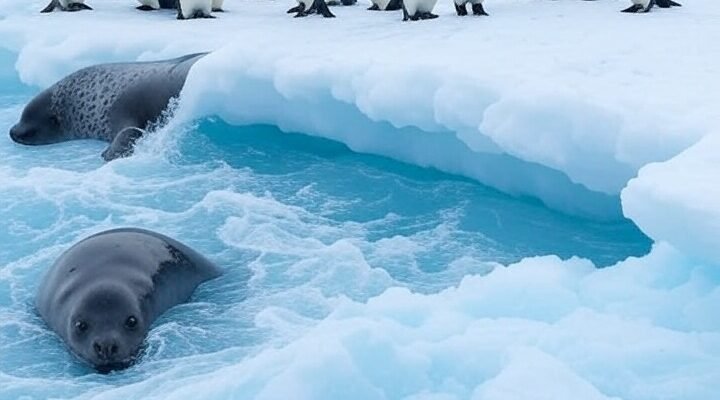
Wildlife sightings in Antarctica are incredible. I've seen emperor penguins bracing against fierce winds on Snow Hill Island, watched leopard seals leap onto ice floes, and been breathless as humpback whales surfaced right next to our zodiac cruises.
Just the penguin colony sites make the trip worthwhile. On the Antarctic Peninsula, massive gentoo penguin colonies stretch across entire beaches. King penguins on South Georgia? It's a spectacle – hundreds of thousands of birds making Salisbury Plain look like a moving carpet. The emperor penguins, Antarctica's true royalty, flock to remote spots rarely seen by humans.
But it's not just the various penguin species. You've got southern elephant seals in huge numbers, bulls up to four tons fighting dramatically. Leopard seals, Antarctica's top predators, glide through water with unexpected grace. On South Georgia, fur seals have made a fantastic comeback.
Marine mammals are the stars in these waters. Whales show up each austral summer to feast on krill, often playfully checking out our expedition ship. Sea lions zip around like underwater dancers, and huge elephant seals show surprising nimbleness in their natural habitat.
What you see depends on where and when you go. The Antarctic Peninsula is great for easy observation, but South Georgia boasts unmatched marine life concentration. Every penguin colony is different – some are busy cities, others smaller and more intimate.
Top 5 Wildlife Species to See:
Emperor penguins (Snow Hill Island, Weddell Sea)
King penguins (South Georgia, especially St. Andrews Bay)
Leopard seals (Throughout Antarctic Peninsula)
Whales (Paradise Bay, Wilhelmina Bay)
Elephant seals (South Georgia beaches)
Adventure Activities Overview
Antarctica attractions go well beyond just observing animals. This continent offers adventures that let you see its unique environment from all angles, each needing different fitness levels and adventurous spirit.
The polar plunge is a classic rite of passage – jumping into near-freezing waters. It's shocking, exhilarating, and unforgettable. Even observation feels different when you're quietly kayaking by icebergs or camping out listening to glaciers creak.
For photographers, chances are endless, from epic landscapes to close-up shots. If you're more active, try snowshoeing on untouched terrain. Every activity gets you into Antarctica's amazing environment with top safety.
Activity | Difficulty | Physical Requirements | Typical Availability |
Polar Plunge | Easy | Basic swimming | All expeditions |
Wildlife Observation | Easy | Walking ability | All expeditions |
Photography | Easy-Moderate | Patience & gear | All expeditions |
Kayaking | Moderate | Upper body strength | Most expeditions |
Camping | Moderate | Cold tolerance | Select expeditions |
Kayaking & Paddleboarding in Antarctic Waters
Paddling in Antarctica, surrounded by huge icebergs and curious animals, is pure silence. I've led hundreds of kayak trips, and every one shows me something new about this incredible marine world.
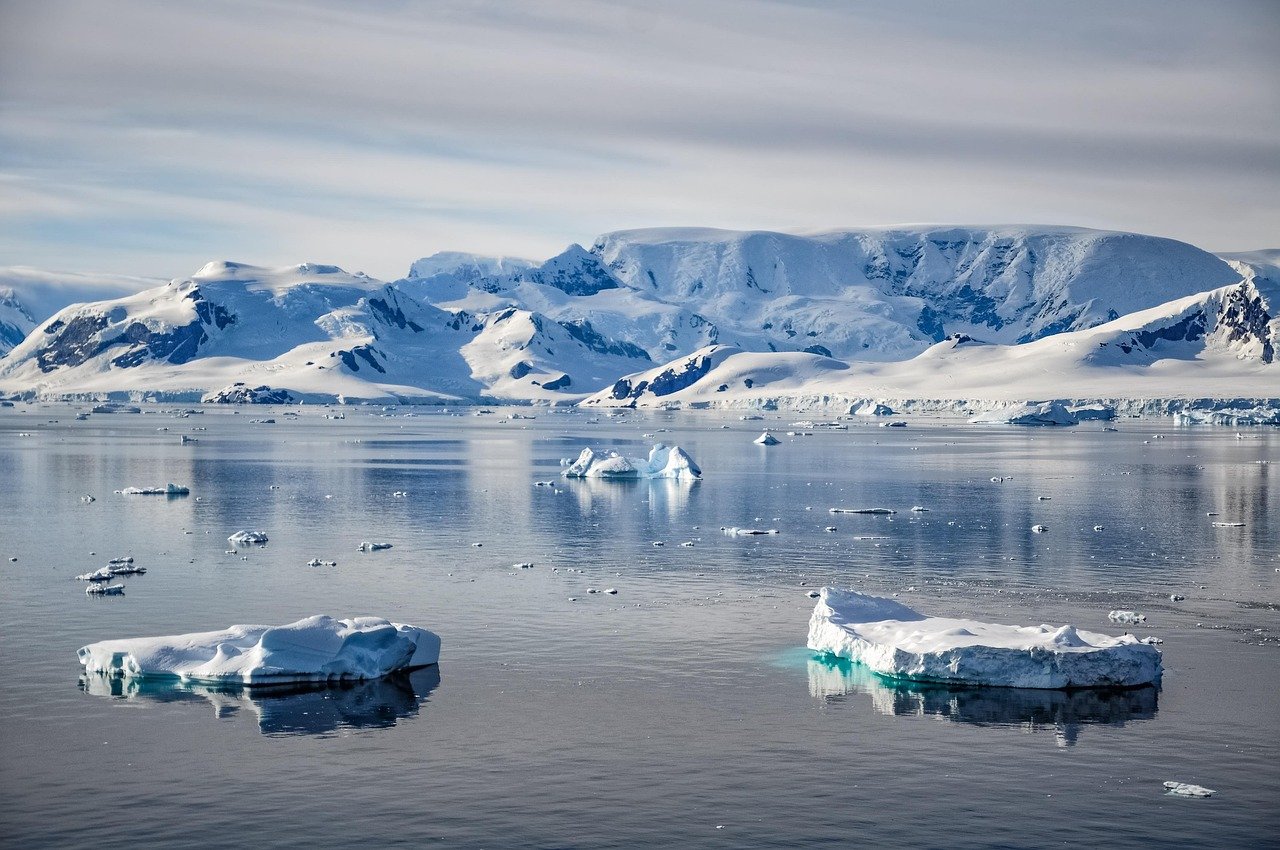
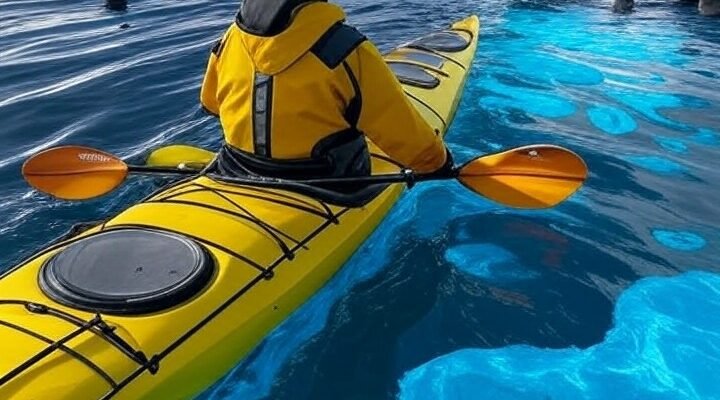
Gliding past floating ice as seals pop up nearby never gets old. Kayaking here is unique – the water is so clear you can see glowing blue undersides of icebergs. Sea ice forms new channels daily, making a constantly changing frozen maze.
Our Zodiacs take kayakers to sheltered bays perfect for paddling. The Southern Ocean can be wild, but we pick spots carefully for safety. Paradise Bay has amazing glacier views, and Lemaire Channel offers calm waters between massive peaks.
Seeing wildlife from a kayak is something else. Seals might check out your bright yellow boat, and penguins often swim alongside. Sometimes whales surface so close you can hear them breathe – truly humbling.
Weather changes a lot, so flexibility is key. Some days are perfectly calm, others mean sheltered spots. The best kayaking trips mix stunning views with wildlife, making lasting memories from these pure Antarctic waters.
Polar Camping: A Night on Antarctic Ice
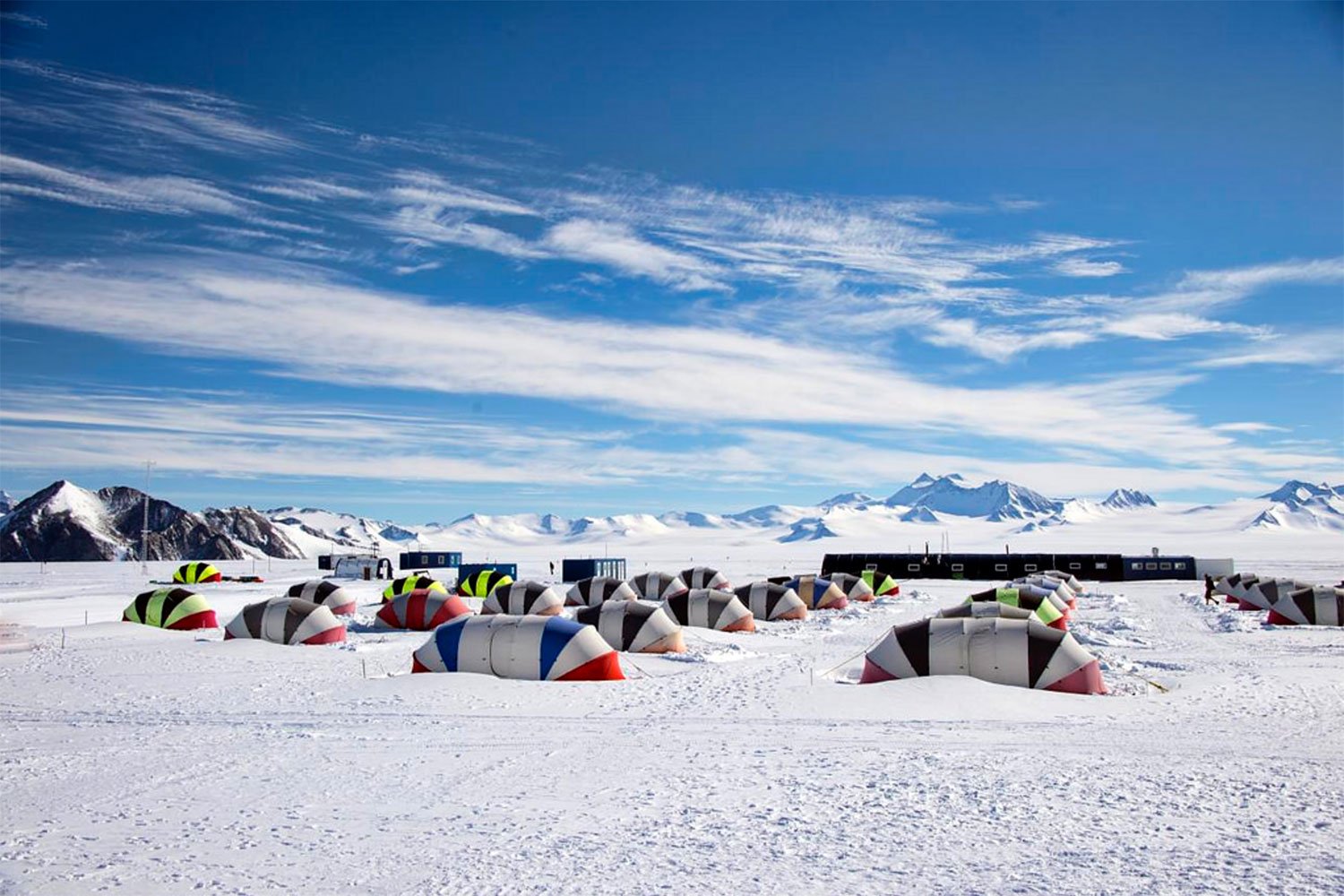
Camping in Antarctica truly changes how you feel about the White Continent. When night falls during summer and your ship slips behind icy mountains, you know you're sleeping in one of Earth's most remote spots.
The silence is incredible, broken only by distant glacier groans or penguin calls. Antarctic sea ice makes a surprisingly good camping spot, and pure snow insulates your tent. You won't find fresh air like this anywhere else.
I've camped on ice countless times, and no two nights are the same. Sometimes you get Southern Lights dancing in green, other times stars so bright they feel within reach. With no light pollution, the Milky Way is spectacular.
Good prep is key to a comfortable night. We provide special polar sleeping bags and insulated mats to keep ice from chilling you. Most people sleep surprisingly well, soothed by Antarctica's unique soundtrack.
Weather during summer provides the best camping conditions, with temperatures rarely dropping below freezing. The midnight sun means you can read at midnight, though many prefer absorbing the incredible experience of sleeping at the bottom of the world.
Diving & Snorkeling: Beneath Antarctic Waters
Polar scuba diving uncovers Antarctica's secret underwater realm, where great sea life flourishes beneath ice. As one of the few guides certified for it, I can vouch these are some of Earth's most untouched underwater spots.
Water clarity is stunning – often over 100 feet. Huge kelp forests dance in currents, and the seabed is dotted with colorful sea stars and anemones. Scuba divers often find curious seals checking them out, sometimes playing in their bubbles.
Deception Island has great scuba diving in its sheltered harbor, with volcanic activity warming water slightly. The mix of volcanic features above and vibrant sea life below is a truly unique scuba diving experience.
This type of diving needs special gear and cold-water experience. Dry suits are essential, plus special regulators. Most scuba divers need advanced certification and previous cold-water dives to join safely.
Marine life variety often surprises people. Beyond seals and penguins, these waters host many unique species found nowhere else. Kelp gulls might dive around snorkelers, and the seafloor shows complex ecosystems built for extreme cold.
Photography in Antarctica
Antarctica pushes photographers with tough conditions but rewards them with lifetime shots. The White Continent's dramatic scenery, amazing wildlife, and special light offer endless opportunities for everyone.
The peninsula has classic shots – penguins with mountain backdrops, huge icebergs in Paradise Bay, dramatic glacier fronts. The Weddell Sea gets you to emperor penguin colonies, and the Ross Sea offers Antarctica's most remote, untouched views.
Technically, you'll need to protect gear from wet and cold, manage condensation, and handle bright reflections off snow and ice. My tip: bring extra batteries; cold zaps them fast.
Light in Antarctica is unique. Low summer sun paints landscapes with amazing colors, while cloudy days give perfect soft light for shots. The contrast of dark rock and bright white ice makes striking photos.
Essential Photography Gear:
Weather-sealed camera body and lenses
Extra batteries (cold drains power)
Lens cleaning cloths and covers
Polarizing filter for ice and water
Wide-angle lens for landscapes
Telephoto lens for wildlife (300mm minimum)
Unique Antarctic Experiences
Beyond the usual, Antarctica offers truly unique things you'll remember forever. The penguin post office at Port Lockroy is a museum and post office in one. You can mail postcards stamped from Antarctica – and yes, they eventually arrive!
Research stations offer cool insights into life at world's end. Scientists happily share their work, from climate studies to research. It shows how our trips support science through help and funding. These are among key Antarctica attractions.
The polar plunge is everyone's top unique moment. That jump into icy water creates instant bonds – you've all done something wild. The shock is quick, but bragging rights are forever.
Deception Island gives you a rare chance to stand inside a volcanic caldera. The stark black rock against Antarctica's usual white is dramatic, and hot springs show earth's power. It's one of the top Antarctica attractions.
A ceremonial trip to the South Pole is the ultimate for those with time and budget. Standing at 90 degrees south, by treaty nation flags, connects you to polar exploration history.
Top 5 Unique Experiences:
Mailing postcards from Port Lockroy
Taking the polar plunge in icy waters
Visiting active research stations
Exploring volcanic calderas
Standing inside the Antarctic Circle at 66°33' South
Citizen Science: Contributing to Polar Research

Modern trips to Antarctica often let you help with real polar research through citizen science. You assist with actual science projects, making your visit richer with hands-on learning. This truly enhances your experience.
Research stations across the Antarctic continent welcome visitors to join citizen science projects. From counting penguins to taking water samples, you provide useful data and learn about this unique environment.
The Antarctic Treaty oversees all research, ensuring tourism helps, not hinders, science. Our ships act like mobile labs, taking scientists and helping gather data in remote spots.
Projects range from simple counts to complex climate tracking. Your photos help scientists monitor glacier changes and animal populations. Ocean temperature readings go into global climate data.
This turns passengers from tourists into active helpers in research. Contributing real data adds depth to your trip and supports vital conservation work here.
Planning Your Antarctic Adventure
Planning an Antarctica cruise means figuring out different expedition cruise options and what suits you. The trip from South America across the Drake Passage is standard, but fly-sail options skip the crossing if you're short on time. An Antarctic expedition cruise can be tailored.
The peninsula and nearby South Shetland Islands have easiest access to wildlife and activities – great for first-timers. South Georgia and the Falkland Islands make longer trips but offer amazing wildlife variety, like huge king penguin colonies and recovering seal populations. You might also spot other penguin species there.
If you're more daring, consider the Weddell Sea for emperor penguin sightings or the Ross Sea for really remote experiences. Sub-Antarctic islands like Campbell Island and South Sandwich Islands have unique ecosystems and wildlife you won't see elsewhere.
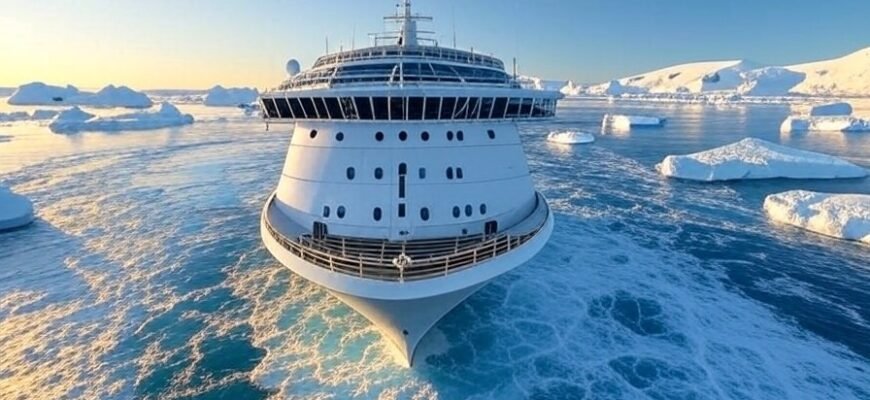
Ships really vary in size and offerings. Smaller boats mean more landings and flexible plans but less luxury. Bigger cruise ships are comfier but offer fewer close wildlife moments. Choosing the right expedition cruise is key.
When you go makes a big difference. Early season has perfect untouched snow and breeding penguins. Mid-season has best weather and most animal action. Late season is prime for whale watching. These are all popular times for travel.
Sub-Antarctic spots make longer trips but show totally different ecosystems. South Georgia Island has some of the world's best wildlife shows, and the Falkland Islands offer British life in the Southern Hemisphere.
Season | Pros | Cons | Best For |
🌨️ Early Season | • Untouched pristine snow | • Unpredictable weather | Photography enthusiasts |
☀️ Mid Season | • Best weather conditions | • Peak crowds | First-time visitors |
🐋 Late Season | • Prime whale watching | • Muddy conditions | Whale enthusiasts |
Conclusion: The Antarctic Experience of a Lifetime
Antarctica changes everyone who comes to the White Continent. Standing on deck as huge icebergs drift by in the Southern Ocean, you know you're seeing something amazing that few ever will.
The mix of incredible wildlife, stunning landscapes, and unique activities makes lifetime memories. Whether it's emperor penguins marching on sea ice, kayaking through frozen channels, or helping with science, every moment connects you deeper to Earth's purest wilderness. Many Antarctica attractions are based around these moments.
Antarctica powerfully reminds us why conservation is key. This White Continent, a place of peace and science under treaty, shows what we can do when we work together to protect something special. Every visitor becomes an advocate.
Getting to Antarctica, whether crossing the Drake Passage or flying in, is part of the adventure. Excitement grows as you head from civilization towards the South Pole, knowing you're joining a special group who've seen the bottom of the world.
My advice after all this time? Come to Antarctica with an open mind and taste for adventure. The White Continent will blow you away in ways you can't imagine, forging connections with nature and fellow travelers that will change how you see the world.
FAQ - What to do in Antarctica?
What activities do people do in Antarctica?
People enjoy diverse activities in Antarctica including observation of emperor penguins and whales, kayaking among icebergs, camping on Antarctic sea ice, and polar scuba diving. Adventure seekers love the famous polar plunge into icy waters, photography of stunning landscapes, and contributing to citizen science research. Many visitors also explore unique sites like Port Lockroy and research stations throughout the White Continent.
Is Antarctica worth visiting?
Absolutely! Antarctica offers once-in-a-lifetime experiences you can't find anywhere else on Earth. From massive penguin colony sites on the peninsula to marine observation in the Southern Ocean, every moment connects you to our planet's last true wilderness. After fifteen seasons leading expeditions, I can say Antarctica changes every visitor, creating memories that last forever while supporting vital conservation efforts.
Is there anything to visit in Antarctica?
Antarctica attractions are incredible and diverse! You can visit Port Lockroy, explore Deception Island's volcanic features, and witness massive king penguin colonies on South Georgia. The peninsula, Weddell Sea, and Ross Sea each offer unique landscapes and wildlife encounters. Research stations welcome visitors to learn about life at the bottom of the world.
What is the biggest tourist attraction in Antarctica?
The biggest attraction is the extraordinary wildlife, particularly the massive penguin colony sites spread across the peninsula and South Georgia. Watching hundreds of thousands of emperor penguins, king penguins, and gentoo penguins in their habitat is absolutely breathtaking. Combined with opportunities for marine observation and encounters with seals, the wildlife experiences are what draw most people to this remote continent.