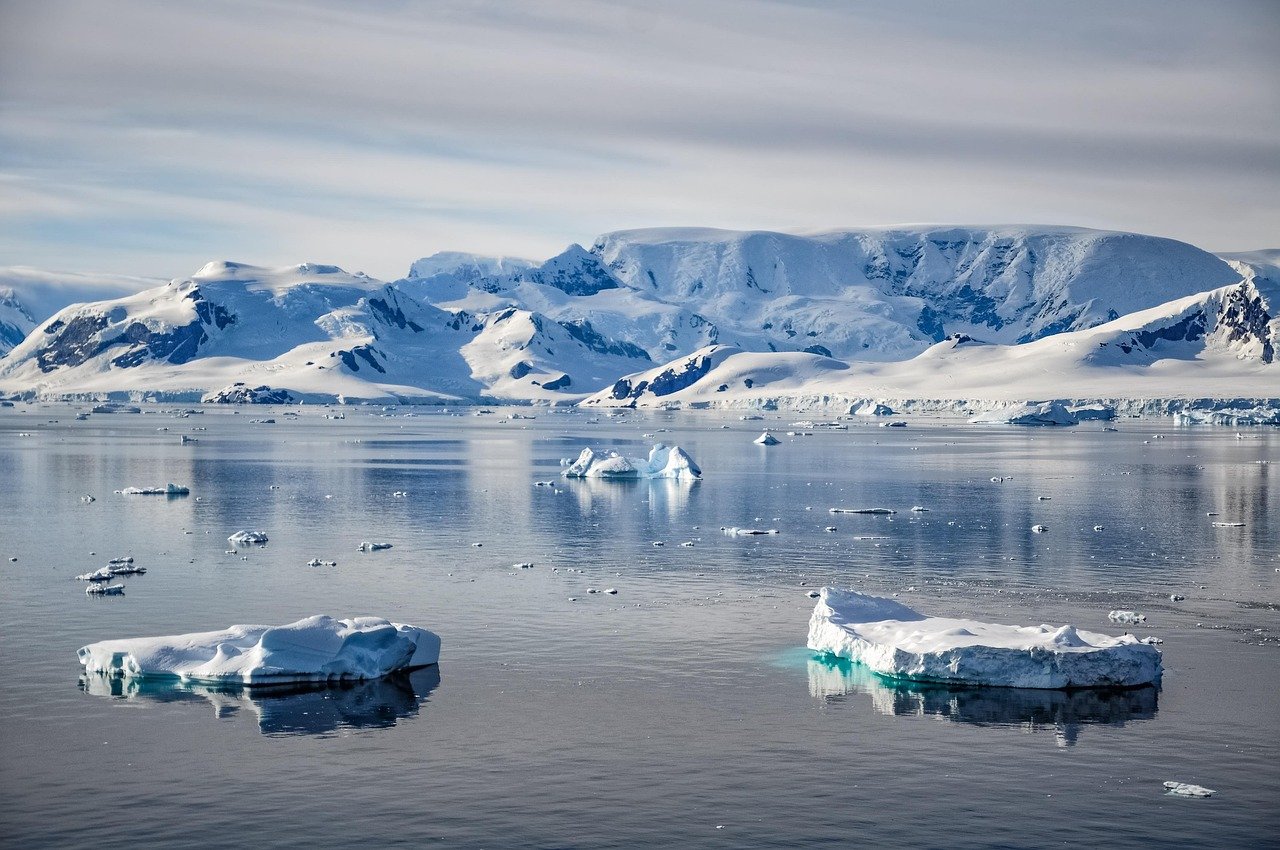

Choosing the best time to travel to Antarctica is crucial for making the most of your adventure. The austral summer, from late October to March, is widely regarded as the best time for Antarctica cruise. During this period, the icy seas open up, expedition vessels navigate through the pack ice, and wildlife activity is at its peak.
Each month offers distinct experiences: early summer (October and November) showcases pristine snowy landscapes, while December and January bring peak wildlife encounters, including adorable baby penguins and active fur seals. February and March are ideal for whale watching and exploring the Antarctic Circle.
Whether you’re an adventure seeker looking for optional adventure activities like sea kayaking or a nature enthusiast hoping for close-up wildlife encounters, choosing the right time to travel to Antarctica can enhance every aspect of your trip. Prepare for an unforgettable journey to the white continent by exploring its seasonal nuances.
Winter in Antarctica
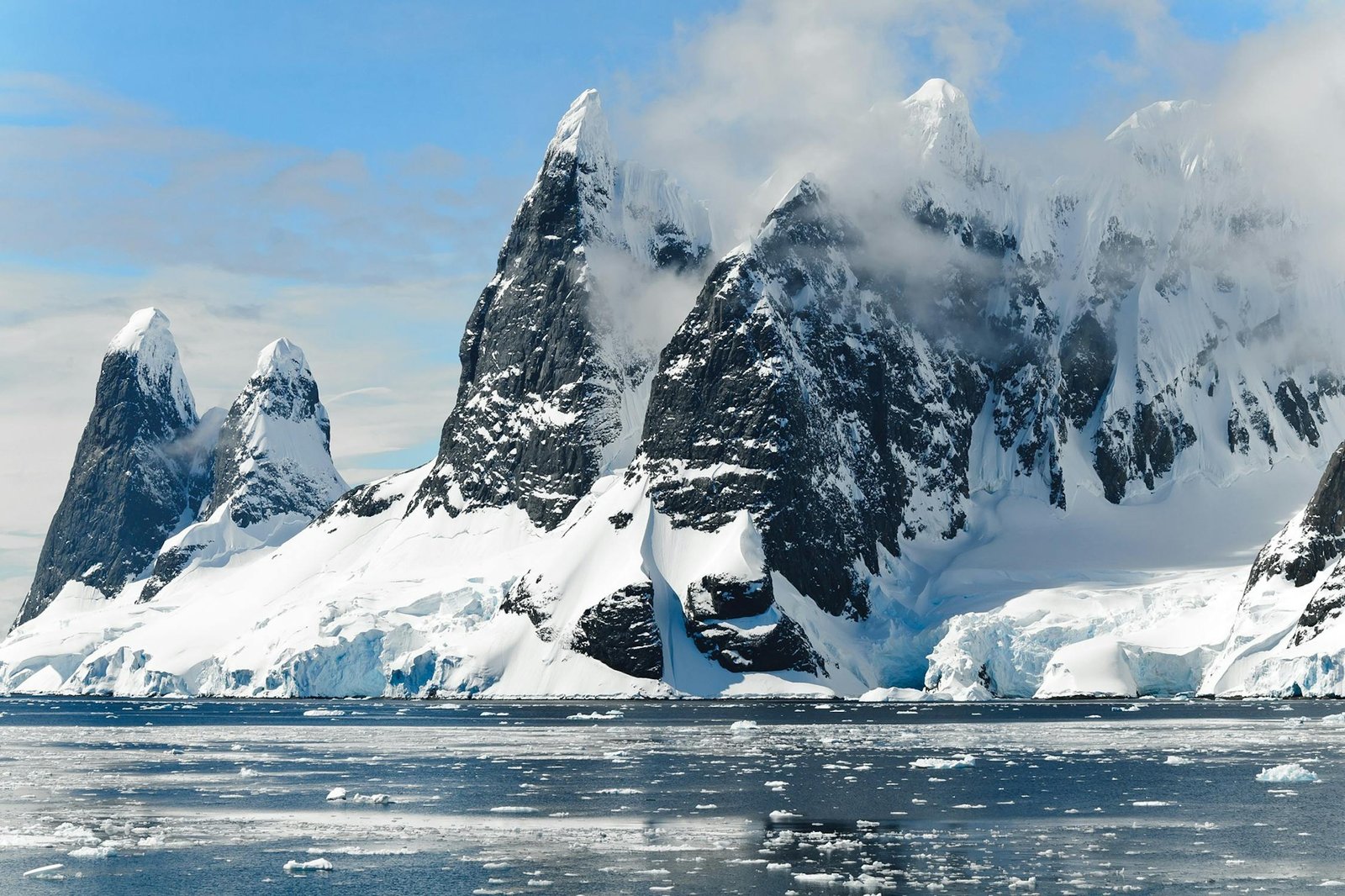
Winter in Antarctica, spanning from April to October, is characterized by extreme conditions that make this time to travel to Antarctica highly impractical for tourism. During these months, temperatures often plunge below -50°C (-58°F), and the continent is engulfed in complete darkness due to the polar night. The Southern Ocean is dominated by sea ice, with pack ice stretching far from Antarctica’s coastline, creating significant obstacles for vessels and cruise ships.
Challenging Weather Conditions
Winter brings harsh weather, including powerful katabatic winds exceeding 200 km/h (124 mph). These winds create stormy seas and make navigation difficult and dangerous. The icy seas are not only rough but also filled with unpredictable ice formations, which pose a significant risk to any Antarctic cruises. Even the Antarctic Peninsula, a popular region during the austral summer, becomes almost inaccessible due to the rough seas and unstable weather conditions.
Wildlife and Activities During Winter
One of the biggest drawbacks of winter travel to Antarctica is the absence of active wildlife. Most species, including fur seals, birds, and humpback whales, migrate to warmer climates, leaving the continent largely devoid of life. The mating season for penguins occurs in more favorable months, and wildlife encounters are rare. Unlike the peak season, when travelers can enjoy wildlife watching and adventure activities such as kayaking, winter offers no such experiences.
Unavailable Activities:
Zodiac Antarctic cruises and shore excursions are impossible, as landing sites are buried under snow and ice.
Optional adventure activities like kayaking are not feasible due to the extreme conditions.
Why Winter Travel Is Not Recommended
The winter Antarctic environment is best suited only for scientists and researchers who work at scientific stations all year round. These people endure isolation, extreme cold, and long periods of darkness.
Most tour operators avoid scheduling Antarctic voyages during the winter months due to safety concerns and the lack of attractions for visitors. The heavy seas and unpredictable weather make travel dangerous, with no early booking incentives available.
Summer in Antarctica
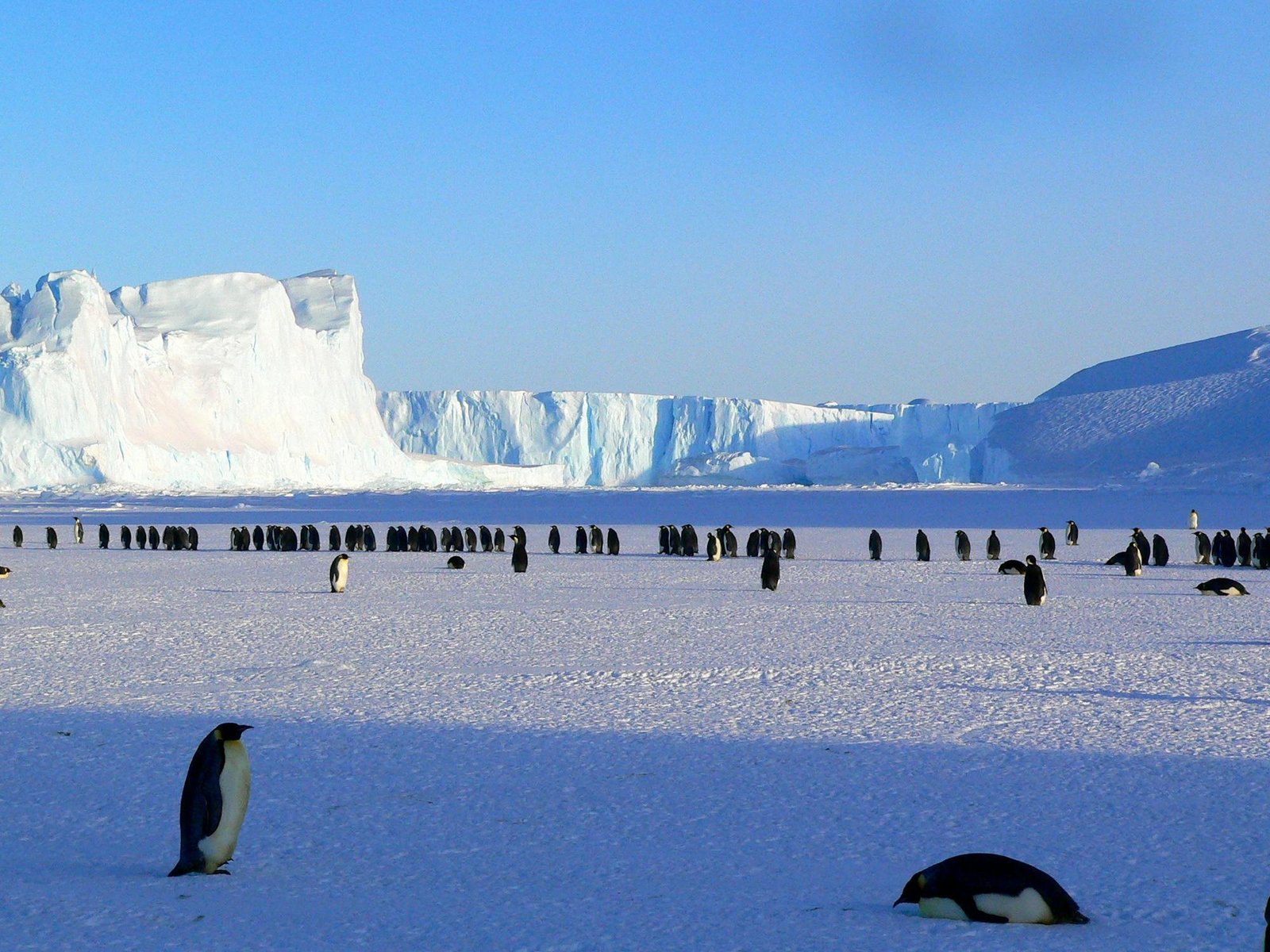
The austral summer, from November to March, is the best time to travel to Antarctica. It offers travelers the most favorable weather conditions and extraordinary wildlife opportunities. During this period, temperatures rise significantly compared to the frigid winter months, with coastal areas averaging between -2°C to 8°C (28°F to 46°F). These milder weather conditions make exploring the white continent more comfortable and safer for expedition cruising and shore excursions.
Weather and Environmental Benefits
Summer in Antarctica is marked by 24-hour daylight, providing ample time for exploration and maximizing wildlife watching opportunities. The retreat of sea ice and melting pack ice allows vessels and Antarctica cruise ships to navigate the icy seas more freely. Stable weather conditions during this season enable safe zodiac cruises, kayaking, and shore landings, enhancing the overall Antarctic experience.
Temperature Range: Coastal temperatures from -2°C to 8°C (28°F to 46°F).
Weather Conditions: Milder temperatures, longer daylight hours, and more stable weather.
Accessibility: Most landing sites, including the Antarctic Peninsula and sub-Antarctic islands, are open for exploration.
Wildlife Opportunities in Summer
The summer season is also the best time to visit Antarctica in search of wildlife. Early in the season, visitors can witness penguin chicks hatching, with baby penguins and adult penguins filling the colonies. Fur seals, elephant seals, and leopard seals are abundant along the coastlines
The waters around South Georgia, the Falkland Islands, and the Antarctic Peninsula are teeming with marine life, making it a prime time for whale watching. Travelers may spot humpback whales, minke whales, and orcas navigating the Southern Ocean.
Notable Wildlife: Chinstrap penguins, Adelie penguins, sea birds, fur seals, and various whale species.
Unique Experiences: The penguin mating season, wildlife encounters, and pristine snowy landscapes.
Activities Available During Summer
Summer offers the full range of Antarctic activities, from adventure experiences like kayaking and snowshoeing to educational shore excursions led by experts. Zodiac cruises allow close-up encounters with icebergs, seals, and penguins. Incentives for early booking are often available during this peak season, providing more options for active travelers. The austral summer is undeniably the best time of year to travel to Antarctica, providing a perfect blend of accessible landscapes, stable weather, and unmatched wildlife experiences.
October & November: Early Season Adventures
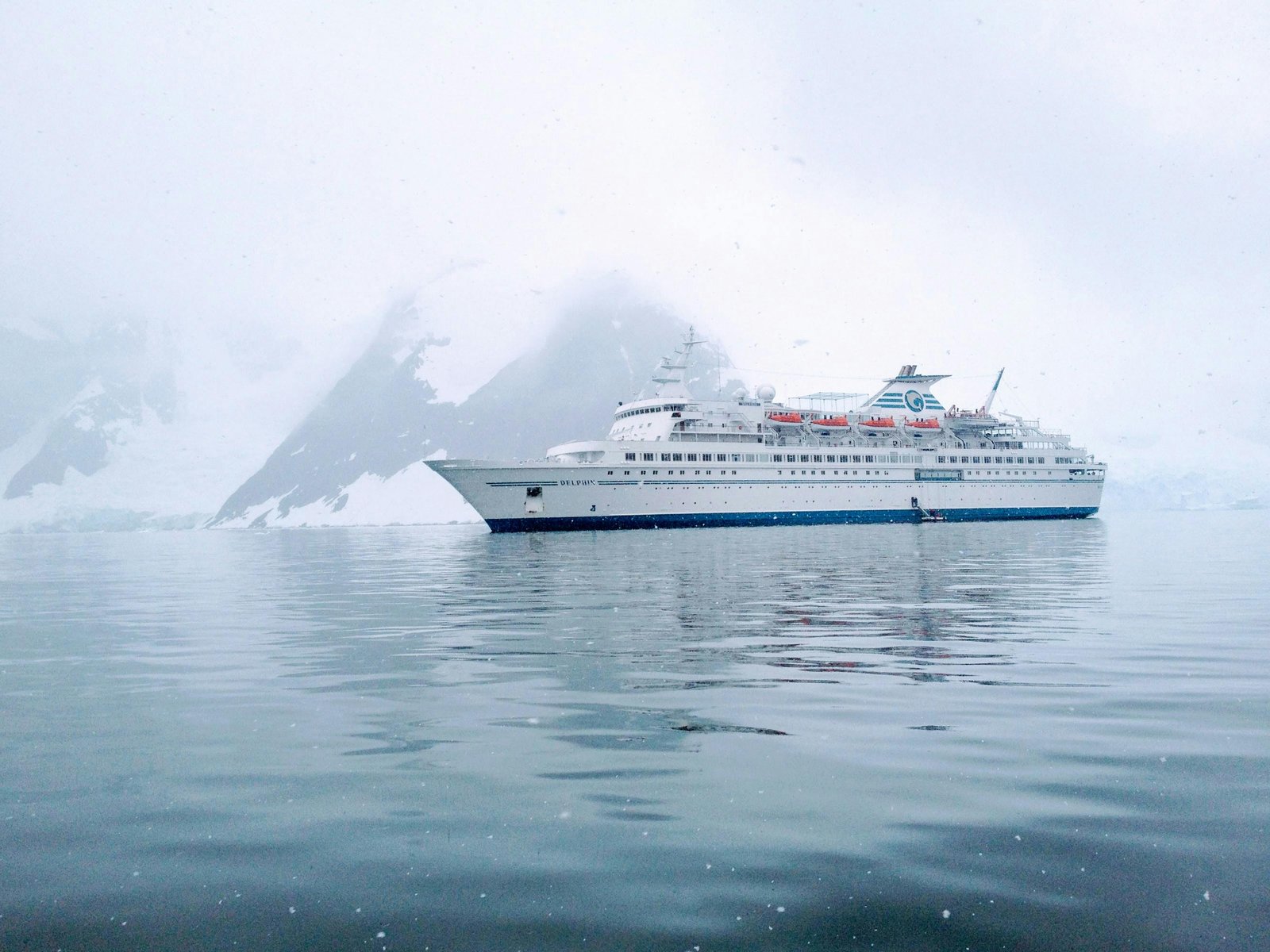
The early summer months of October and November mark the start of the Antarctic travel season, offering unique opportunities for adventurous travelers. As the icy grip of winter recedes, the continent begins to awaken with life, and the pristine snowy landscapes remain largely undisturbed. This time to travel to Antarctica provides a fresh and raw experience, with fewer visitors and a sense of exploring the white continent in its most untouched state.
Weather and Ice Conditions
Early season temperatures are colder than during peak summer, with averages ranging from -5°C to 5°C (23°F to 41°F) along the Antarctic Peninsula. Sea ice and pack ice are still present, but vessels can start navigating through icy seas as the ice gradually breaks up.
The Southern Ocean remains chilly, so travelers should be prepared for unpredictable weather conditions. The spectacular ice formations and expansive sea ice create breathtaking photo opportunities during this season.
Temperature Range: -5°C to 5°C (23°F to 41°F).
Ice Conditions: Fresh pack ice, unique ice formations, and expansive snowy landscapes.
Weather: Cooler and more variable, with chances of stable weather increasing toward November.
Wildlife Encounters
One of the standout advantages of early season visits is witnessing the start of the wildlife breeding season. Penguins, including chinstrap penguins and adelie penguins, return to their colonies for nesting. It is the beginning of the mating season for many species, and visitors may witness exciting courtship behaviors. Seals, including fur seals and elephant seals, are also seen along the coastlines as they prepare for the summer season.
Wildlife Highlights:
Early penguin nesting activities;
Active seals on beaches, including leopard seals and elephant seals;
Abundant birds circling above the pack ice.
Early Season Advantages
Visiting Antarctica in October and November offers several advantages for active travelers:
Fewer Tourists: The early season is less crowded, providing a more intimate Antarctic experience.
Untouched Landscapes: Pristine snowy landscapes and the opportunity to be among the first to visit new landing sites.
Special Activities: Early ice conditions make it ideal for activities such as zodiac cruises among icebergs and early shore excursions to see nesting penguins.
For those looking to go to Antarctica with a sense of adventure and a love for raw, natural beauty, the early season offers an unforgettable experience. The combination of active wildlife, fresh landscapes, and fewer visitors makes October and November a special time to visit Antarctica.
Spirit of Antarctica
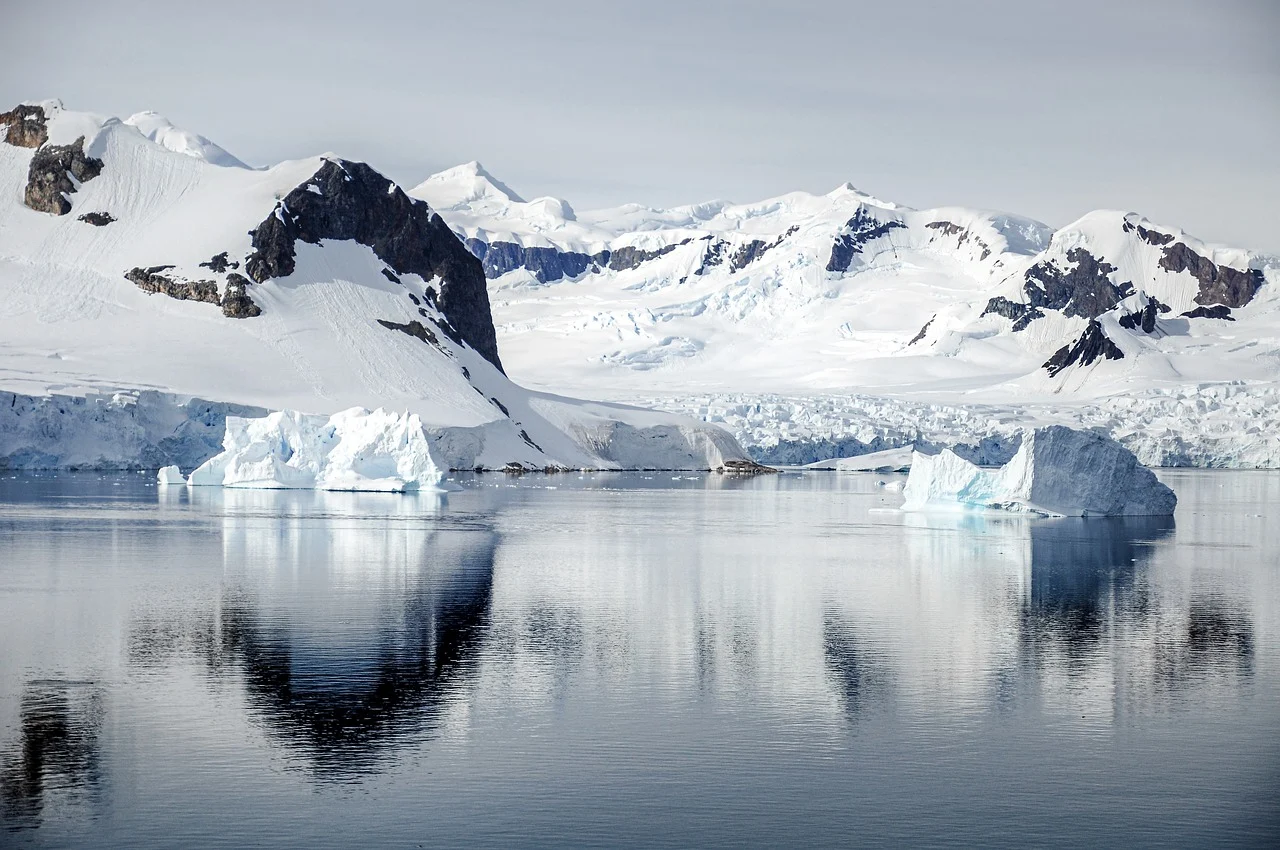
The spirit of Antarctica lies in its unparalleled sense of adventure and discovery. This remote continent offers experiences that cannot be replicated anywhere else on Earth, from navigating icy seas on vessels to witnessing extraordinary wildlife encounters against the backdrop of pristine snowy landscapes. The allure of the Antarctic experience is not just about the destination itself but also about the journey — crossing the stormy Drake Passage, cruising past towering icebergs, and exploring hidden coves on zodiac Antarctica cruise.
Antarctica’s changing seasons play a crucial role in shaping these experiences. As the austral summer progresses, the landscape undergoes a dramatic transformation. In early Antarctic summer, the continent is a frozen wilderness, with thick sea ice and snow-covered shores. This is the time when early explorers can see remarkable ice formations and enjoy the unique stillness of the polar regions. Wildlife begins to return, with fur seals and birds marking the start of the mating season.
By mid-summer, temperatures become milder, and wildlife activity reaches its peak. Penguin colonies bustle with life, as baby penguins hatch and parents tirelessly feed their chicks. Whales, including humpback and minke whales, are frequently seen in the Southern Ocean, offering exceptional whale-watching opportunities. The milder weather also opens up more landing sites along the Antarctic Peninsula and sub-Antarctic islands, allowing for greater exploration and a wider range of optional adventure activities like kayaking and snowshoeing.
Late summer, from February to March, brings a different kind of magic. The landscapes start to change again as the ice recedes further, revealing rocky shores and expanding access to the Antarctic Circle. Wildlife watching remains excellent, with the added benefit of fewer visitors and the chance to observe adult penguins preparing for their long swim north. The spirit of Antarctica is a blend of raw natural beauty, ever-changing landscapes, and the constant thrill of discovering something new, making every trip a truly unique and unforgettable experience.
December & January: Peak Season Highlights
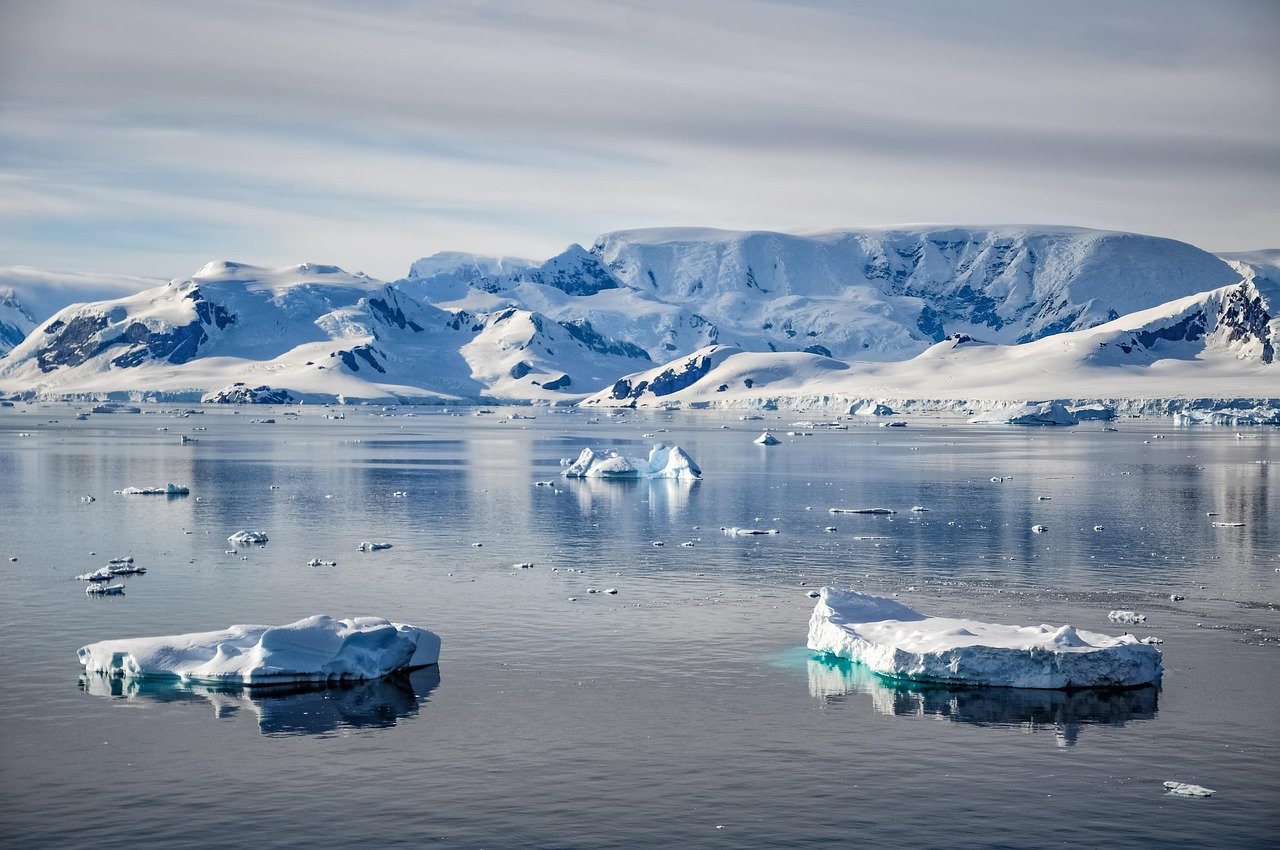
December and early January represent the peak season for visiting Antarctica, offering the best conditions for exploring the continent. During these months, the austral summer is in full swing, providing the mildest weather, longest daylight hours, and unparalleled wildlife encounters. It is considered the best time to visit Antarctica for those seeking both adventure and nature experiences.
Weather and Environmental Conditions
The temperatures during December and January are relatively mild, with coastal areas ranging from -2°C to 8°C (28°F to 46°F). The long daylight hours, often up to 20 hours per day, offers ample time for activities and wildlife watching. The sea ice has largely melted, allowing Antarctica cruise ships and vessels to access a wide range of landing sites along the Antarctic Peninsula, South Georgia, and sub-Antarctic islands. The stable weather conditions also reduce the risk of heavy seas, making zodiac cruises and shore excursions safer and more enjoyable.
Temperature Range: -2°C to 8°C (28°F to 46°F).
Daylight: Up to 20 hours, maximizing exploration opportunities.
Sea and Ice Conditions: Minimal pack ice, open waterways, and accessible landing sites.
Wildlife Encounters
December and January are considered the best time to visit Antarctica to observe penguins and other wildlife. The penguin colonies are bustling with life as baby penguins (penguin chicks) hatch and start exploring their surroundings. This is also the peak mating season for seals, including fur seals, elephant seals, and leopard seals, which can often be seen along the coastlines. The waters of the Southern Ocean become a playground for marine life, with humpback whales, minke whales, and orcas frequently spotted during whale watching excursions.
Wildlife Highlights:
Penguins: Chinstrap, adelie, and gentoo penguins with chicks in colonies.
Seals: Fur seals, elephant seals, and leopard seals during mating season.
Whales: Ideal conditions for spotting humpback whales and orcas.
Activities and Adventure Opportunities
The summer peak season offers the full spectrum of Antarctic activities. With more stable weather conditions and open waters, tour operators provide a range of optional adventure activities:
Zodiac Cruises: Close-up views of icebergs, seals, and penguins.
Sea Kayaking: Paddle through calm Antarctic waters surrounded by breathtaking scenery.
Shore Excursions: Explore landing sites, visit penguin colonies, and take guided walks on the ice.
Wildlife Watching: Ideal for photographing wildlife and observing penguin chicks.
For active travellers, this is also a great time to explore the pristine snowy landscapes, cross the polar circle, and enjoy the vibrant Antarctic environment. Many travellers take advantage of early booking incentives to secure a spot during these sought-after months.
December and January offer a perfect blend of mild weather, wildlife, and diverse activities, making this period the best time to visit Antarctica for an unforgettable adventure. Whether you are drawn by the allure of the white continent’s wildlife or the thrill of exploring icy seas and remote shores, the peak season delivers an exceptional Antarctic experience.
Across the Antarctic Circle
Crossing the Antarctic Circle is a significant milestone for any traveler, marking the transition into the true polar regions. Located at approximately 66.5° south latitude, the Antarctic Circle represents the point where, for at least one day a year, the sun does not set in summer or rise in winter. This rare phenomenon adds a sense of adventure and exclusivity to any Antarctic expedition, as fewer visitors travel so far south compared to the more commonly visited Antarctic Peninsula.
Travelers who venture traveling beyond the Antarctic Circle are rewarded with unique experiences and landscapes. The region is characterized by vast expanses of sea ice, dramatic icebergs, and a sense of remoteness that is hard to find elsewhere. Wildlife encounters also differ in this part of Antarctica, with chances to see species like adelie penguins, which thrive in the colder, ice-heavy environment. The area is also home to a variety of seals, including leopard seals, which are often spotted resting on pack ice.
The landscape in this region is more rugged and less visited, offering a sense of pioneering exploration. The further south travelers go, the more pristine and untouched the environment becomes. Vessels equipped for polar expedition cruising navigate through icy seas, bringing opportunities for zodiac Antarctica cruise and shore landings on less-visited islands and ice shelves. The challenging conditions and the sense of stepping into an almost otherworldly environment make crossing the Antarctic Circle a highlight for many adventure travelers.
The best time to visit this region is during the peak summer months of January and February when the sea ice has retreated enough to allow safe passage. The weather conditions, while still unpredictable, are more stable during this time, enhancing the chances of successful landings and wildlife sightings. For those looking to go to Antarctica with a sense of true adventure, crossing the Antarctic Circle provides a deeper, more immersive experience of the white continent.
February & March: Late Season Opportunities
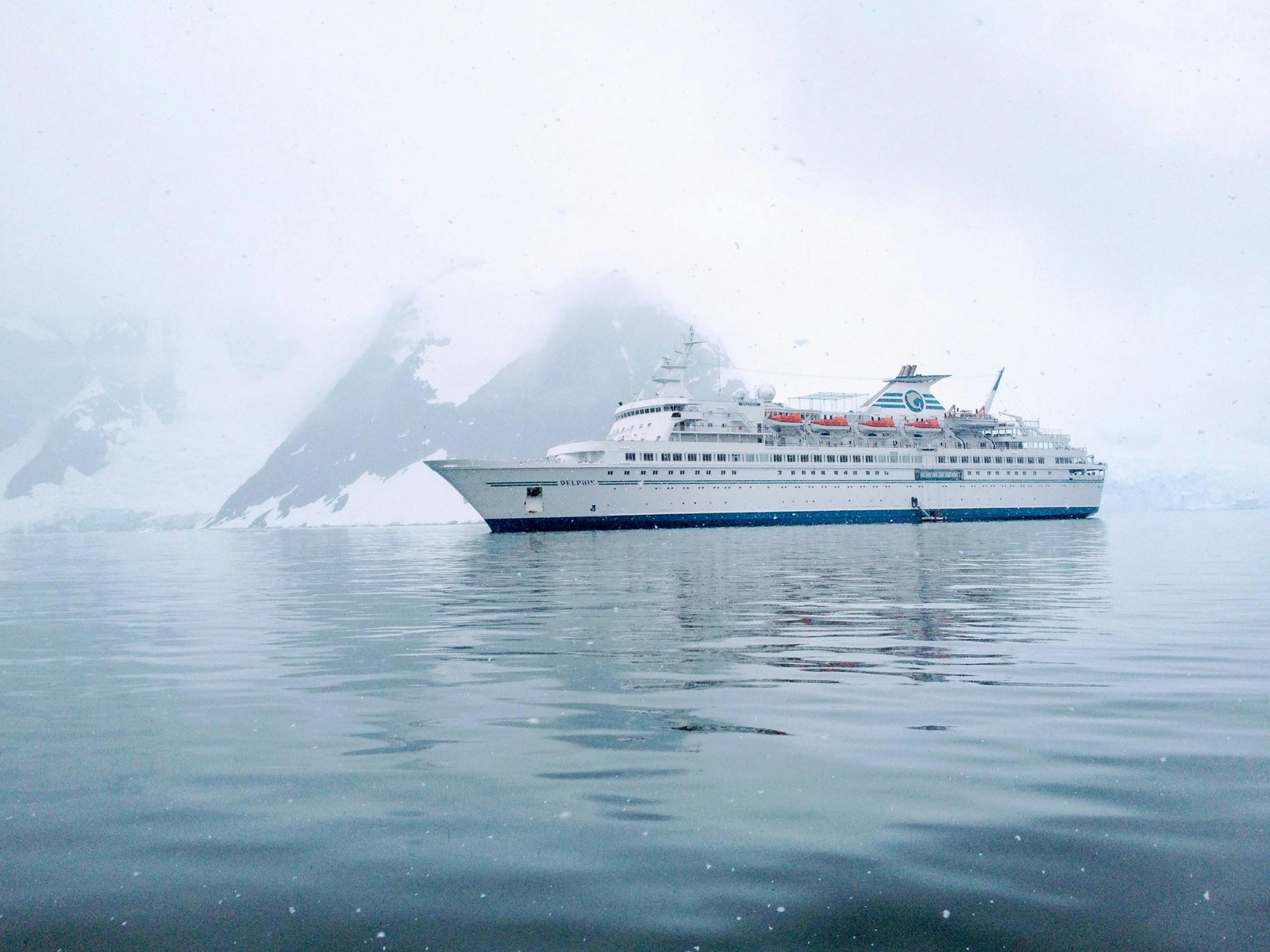
Visiting Antarctica in February and March offers unique advantages as the summer season draws to a close. Late summer is often considered an underrated time to travel to Antarctica. It provides a blend of exceptional wildlife encounters, dynamic ice conditions, and fewer tourists. This period is ideal for travelers looking to explore the white continent with a sense of tranquility and exclusivity.
Weather and Ice Conditions
Late summer temperatures in Antarctica remain relatively mild, with coastal regions averaging between -2°C to 5°C (28°F to 41°F). The weather is more stable, and the long daylight hours persist, offering ample time for shore excursions and adventure activities.
The ice conditions are also distinct during this time, with the pack ice receding further than earlier in the season. This allows vessels to navigate deeper into the Antarctic Circle and access remote landing sites that are often unreachable during peak season.
Stable Weather: Lower chances of rough seas and stormy conditions, particularly when crossing the Drake Passage.
Ice Conditions: With the melting pack ice, travelers can explore regions like the Ross Sea and other remote areas with greater ease.
Wildlife Highlights
Late summer is the best time to travel to Antarctica, especially for whale watching. As the krill population reaches its peak, humpback whales, minke whales, and orcas are abundant in the Antarctic waters. Quite often they come close to zodiac boats during wildlife excursions.Penguin colonies are still active, with baby penguins (now in their molting phase) transitioning into adult plumage. The mating season for seals is over, but elephant seals, leopard seals, and fur seals are still visible along the coastlines.
Whale Watching: High chances of spotting large groups of humpback whales feeding and playing in the Southern Ocean.
Penguin Observations: Watch penguin chicks transform into adult penguins, a fascinating phase in the penguin life cycle.
Seal Encounters: Seals are still present, lounging on ice floes and along the shores.
Benefits of Fewer Tourists
As the season winds down, there are generally fewer tourists on Antarctica cruises. This creates a more serene experience, allowing for quieter landings and more intimate wildlife encounters.
Smaller groups enhance the sense of adventure, whether on a zodiac cruise or during shore excursions. The decreased number of visitors also improves the flexibility of itineraries, with more opportunities to explore hidden bays and lesser-visited landing sites.
Less Crowded Sites: More space to explore landing sites, including the sub-Antarctic islands and the southern tip of the Antarctic Peninsula.
Better Photographic Opportunities: With fewer people around, capturing the pristine snowy landscapes and wildlife becomes easier.
For active travelers and those seeking a unique Antarctic experience, February and March offer a perfect blend of accessibility, wildlife activity, and solitude. The combination of dynamic ice conditions, abundant marine life, and the chance to explore remote regions makes late summer a hidden gem in the Antarctic travel season.
Antarctic Explorer: Types of Expeditions
Antarctica offers a variety of expedition options, each catering to different interests and levels of adventure. The most common way to travel to Antarctica is through expedition cruises, which vary from luxury cruise ships with amenities to smaller expedition vessels designed for more rugged, immersive experiences. This Antarctica cruise often includes shore excursions, wildlife watching, and educational lectures, offering a balanced mix of comfort and exploration.
For adventurous travelers, there are specialized expeditions that focus on optional adventure activities. These might include kayaking among icebergs, zodiac cruises for close-up wildlife encounters, and even polar circle crossings for those seeking the thrill of reaching the most southerly latitudes. Some expeditions offer unique experiences like camping on the ice, mountaineering, or snowshoeing.
When choosing the right expedition, consider your interests and physical capabilities. Those focused on wildlife encounters might opt for voyages during peak season when penguin chicks and humpback whales are most active.
Travelers interested in pristine snowy landscapes and fewer crowds might prefer early or late season trips. Adventure enthusiasts should look for itineraries offering activities like kayaking or trekking.
Additionally, the departure point, often from South America’s southern tip or Punta Arenas, can influence the type of expedition available. Understanding your travel goals will help you select the best Antarctic experience for a truly unforgettable journey.
What to Pack for an Antarctica Expedition

Packing for an Antarctic expedition requires thoughtful preparation to ensure comfort and safety in the extreme environment. The combination of cold temperatures, strong winds, and changing weather conditions means every traveler should be well-equipped for all scenarios.
Essential Clothing
Base Layers: Thermal and moisture-wicking clothing to keep warm and dry. Merino wool or synthetic materials are recommended.
Insulating Layers: Fleece or down jackets provide essential warmth. Layering is crucial to adjust to varying temperatures.
Outer Layers: Waterproof and windproof jackets and pants are a must to protect against icy seas and unpredictable weather conditions.
Accessories: Warm hats, neck gaiters, waterproof gloves, and thermal socks are vital. Bring extra pairs to ensure you stay dry.
Footwear: Waterproof boots with good traction are necessary for shore excursions and zodiac cruises. Many cruises provide boots, so check before packing.
Gear and Accessories
Daypack: Waterproof and comfortable for carrying essentials during shore landings.
Sunglasses and Sunscreen: Protect against the intense reflection of the sun on ice and snow.
Camera Equipment: For wildlife watching and capturing pristine snowy landscapes. Bring extra batteries as the cold can drain power quickly.
Binoculars: Ideal for spotting seals, penguins, and whales from a distance.
Packing Tips
Layering Is Key: The ability to add or remove layers will help maintain comfort.
Waterproof Everything: From clothing to bags, waterproofing is essential to handle wet conditions on vessels and during zodiac cruises.
Pack Light but Smart: Space is often limited on ships, so prioritize versatile clothing and gear.
By following these packing guidelines, travelers can fully enjoy the adventure and focus on the incredible wildlife encounters and breathtaking Antarctic environment.
Travel Tips & Safety
Visiting Antarctica is an extraordinary adventure, but it requires careful attention to safety and preparation. The extreme weather conditions, icy seas, and remote environment mean travelers should take specific precautions to ensure a safe and enjoyable journey.
Safety Precautions
Follow Expert Guidance: Always listen to your expedition leaders and guides, especially during shore excursions and zodiac cruises. These professionals understand the unique challenges of the Antarctic environment.
Stay Within Designated Areas: When exploring landing sites, stick to marked paths to avoid disturbing wildlife and to stay safe on potentially unstable surfaces.
Maintain Safe Distances: Wildlife watching is a highlight of Antarctic travel, but maintaining a safe distance from animals, particularly fur seals and penguins, is crucial to avoid stress and potential danger.
Dealing with Weather and Rough Seas
Prepare for Heavy Seas: The Drake Passage is known for stormy seas, so bring motion sickness medication if needed. Expedition vessels are designed to handle these conditions, but seasickness can still be an issue.
Dress Appropriately: Layering clothing is essential to adapt to changing temperatures. Always wear waterproof gear to stay dry during zodiac cruises and shore landings.
Stay Informed: Pay attention to weather briefings and be prepared for schedule changes. The Antarctic weather can shift quickly, impacting planned activities.
By adhering to these guidelines, travelers can enjoy a safe and fulfilling Antarctic experience, taking in the pristine snowy landscapes, abundant wildlife, and the unmatched adventure of exploring the white continent.
Choosing Your Ideal Departure
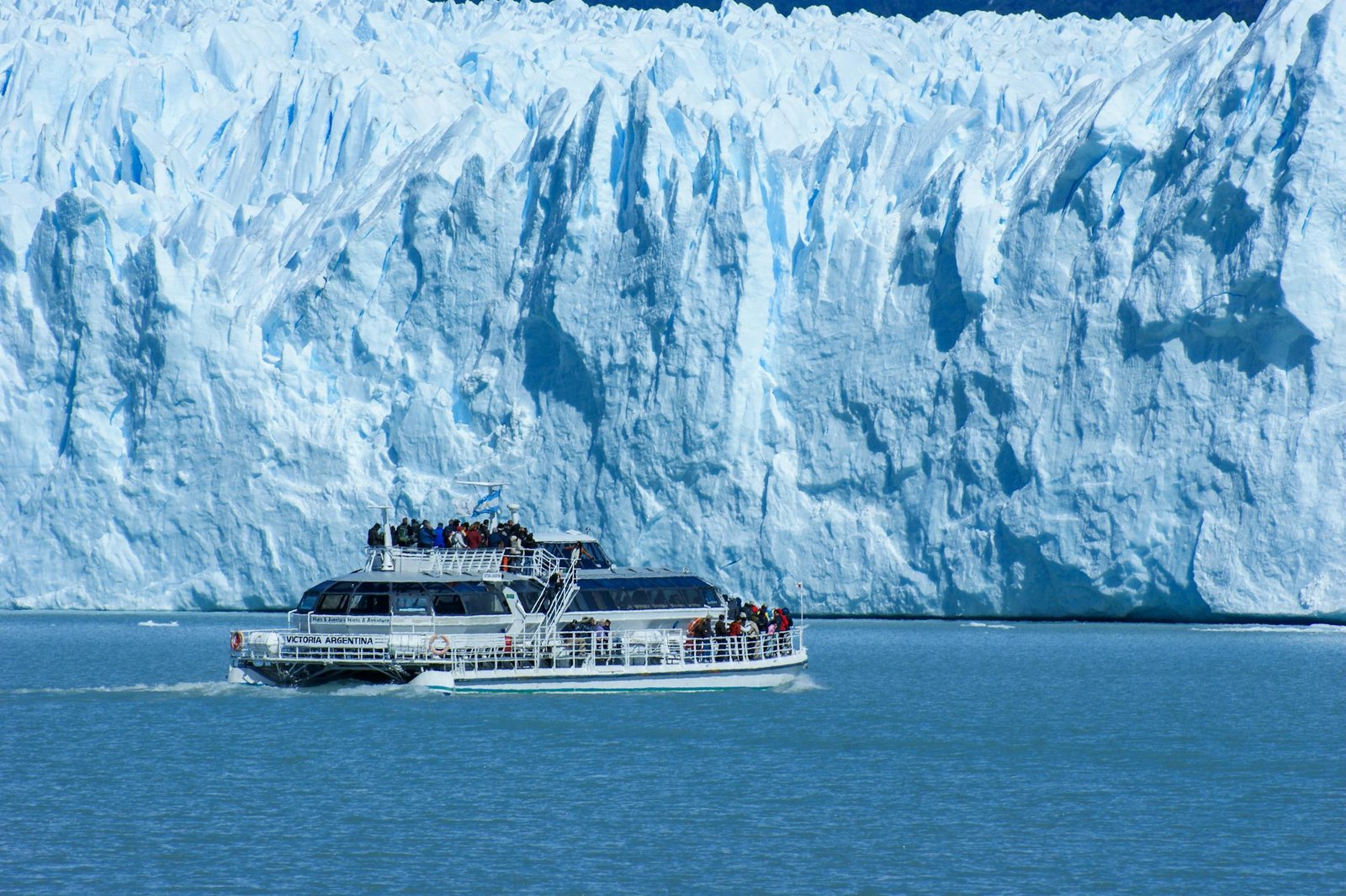
Choosing the ideal departure date for an Antarctic expedition involves balancing several key factors, including seasonal conditions, wildlife activity, and personal travel preferences. The best time to visit Antarctica is during the austral summer, from late October to March, but each month offers distinct experiences.
Early season trips (October and November) feature pristine snowy landscapes and fewer tourists, while the peak season (December and January) provides optimal wildlife encounters, including baby penguins and active seals. Late summer (February and March) offers excellent whale watching and a quieter experience as the season winds down.
Departure points also play a critical role in shaping your Antarctic experience. Most expeditions leave from the southern tip of South America, with Ushuaia in Argentina being the most common gateway to the Antarctic Peninsula.
Some voyages depart from Punta Arenas in Chile, particularly those heading to King George Island via charter flights, which can avoid the stormy seas of the Drake Passage. Other, more extensive itineraries may depart from New Zealand or Australia, offering access to the Ross Sea and the polar circle, but these are often longer and more expensive.
Timing your departure with specific wildlife events or activities can enhance your journey. For example, if crossing the Antarctic Circle is on your bucket list, late summer offers the best chance as receding sea ice allows vessels to venture further south. Adventure travelers seeking optional activities like kayaking or ice camping should choose departures that offer these experiences, often available during mid to late summer when conditions are most stable.
The decision ultimately depends on whether you prioritize active wildlife encounters, pristine landscapes, or specific adventure activities. Early booking incentives are often available, so planning ahead not only secures your preferred travel dates but may also offer cost benefits. By aligning your travel goals with the best seasonal conditions and ideal departure points, you can create a truly unforgettable Antarctic experience.
Conclusion
Antarctica is a destination like no other, offering a blend of adventure, wildlife, and pristine landscapes.
When is the best time to visit Antarctica? The answer depends on your travel goals. The austral summer, from late October to March, is widely considered Antarctica’s best time to visit, offering milder weather and active wildlife.
December and January provide the peak season for seeing penguin chicks and whale watching, while February and March offer excellent opportunities for exploring the Antarctic Circle and enjoying quieter voyages.
By understanding the seasonal changes, you can choose the ideal time to travel to Antarctica and create an unforgettable adventure on the white continent.