
Key Takeaways:
Most flights to Antarctica are charter flights that are part of expedition packages
The main departure point for tourist flights is Punta Arenas, Chile
Flying to Antarctica typically takes 2 hours versus 2 days by ship across the Drake Passage
Weather conditions can cause flight delays, so flexibility is essential
The fly-cruise model offers the best of both worlds: time savings and comprehensive exploration
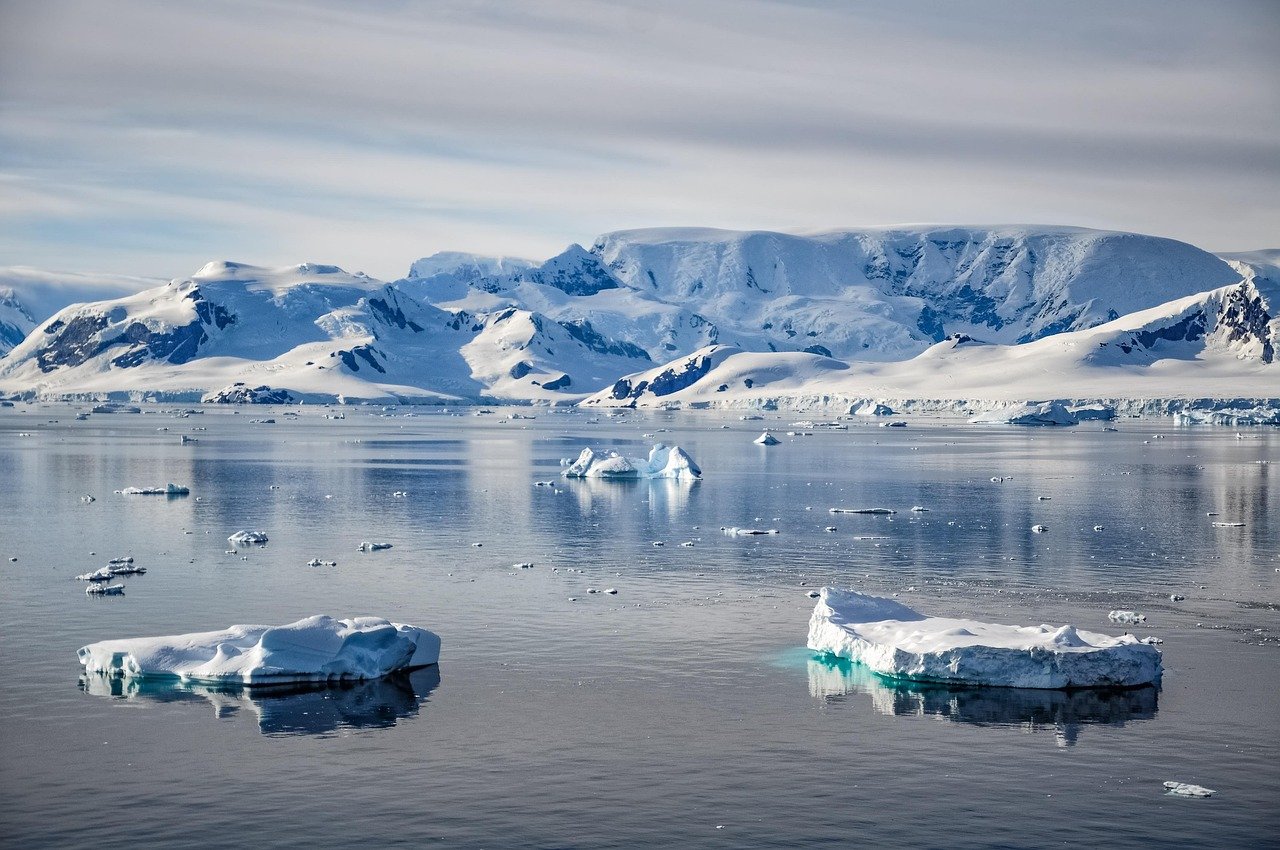
I'll never forget my first flight to Antarctica. As our BAE 146 descended through the clouds over the South Shetland Islands, I pressed my face against the window and gasped. Below stretched an impossibly pristine landscape of white mountains and turquoise icebergs—a sight that no amount of preparation could have readied me for. That moment, suspended between sky and the White Continent, crystallized why I've spent the last decade helping others plan their own flights to Antarctica.
Having personally flown to Antarctica multiple times using various methods, I can tell you that choosing to fly rather than sail completely transforms your Antarctic experience. While the classic Drake Passage crossing has its merits, nothing compares to the efficiency and sheer spectacle of approaching this frozen continent from the air.
Understanding Antarctic Flight Options and Antarctica Flights
When people ask me about flights to Antarctica, I always start by explaining something crucial: you can’t simply book commercial flights to Antarctica like you would to Paris or Tokyo. The White Continent operates under different rules, and accessing it requires joining specialized expedition packages that include charter flights. There is no regular airport on the Antarctic continent for commercial service, and flights depart from specific gateway airports in South America and beyond.
Through my years of Antarctic travel, I’ve identified three main ways to fly to Antarctica, each offering distinct advantages depending on your priorities and time constraints.
The three main flight options for Antarctica flights:
Fly-Cruise Expeditions (most popular): These combine charter flights from select airports in South America to King George Island with expedition cruise ship exploration of the Antarctic Peninsula
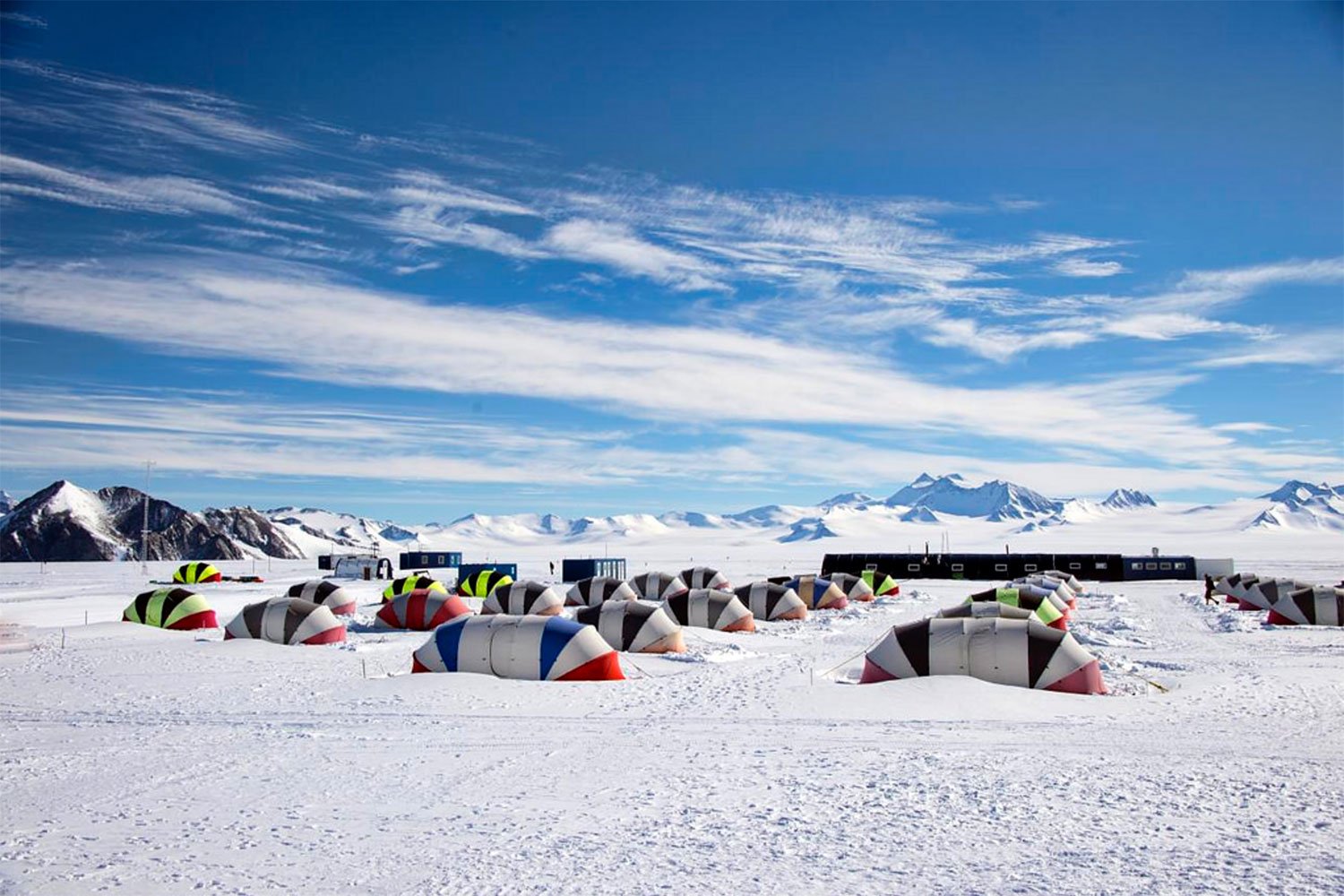
Direct Flights to Antarctic Interior (most expensive): These Antarctica flights depart from specific airports and take you directly to remote camps like Union Glacier for specialized Antarctic adventure experiences
Scenic Overflights (no landing): These flights depart from Australia and offer spectacular scenery but don’t land on the continent
The fly-cruise model has become increasingly popular during the austral summer season. Most tour operators now offer these hybrid experiences because they maximize your time on the White Continent itself rather than enduring lengthy sea crossings through the Drake Passage.
The Fly & Cruise Model Explained with Flight Time Benefits
The fly-cruise model represents the perfect compromise between efficiency and comprehensive exploration. Instead of spending two full days crossing the Drake Passage each way, you board a charter flight in Punta Arenas that reaches King George Island in just two hours. The flight time savings are remarkable—you literally gain four extra days for Antarctic Peninsula exploration. Flying instead of sailing not only saves time but also significantly reduces overall travel time, allowing you to spend more of your trip actually exploring Antarctica rather than in transit.
Here’s how the process works: You’ll fly from Punta Arenas aboard specialized aircraft equipped with rugged landing gear capable of handling gravel airstrips. The flight itself offers spectacular scenery as you cross the Drake Passage from above, watching the ocean change from deep blue to distinctive turquoise that signals ice-filled Antarctica waters.
Upon landing at King George Island, you’ll transfer via Zodiac boats to your waiting cruise ship. This transfer is typically quick, though weather dependent. The small expedition ship then becomes your base for exploring the Antarctic Peninsula, visiting penguin colonies including emperor penguins, and making zodiac landings on the continent itself.
Benefits of the fly-cruise model:
Saves 4 days of sailing across the Drake Passage
Significantly reduces travel time and saves time compared to traditional sailing
Avoids potential seasickness affecting many travelers
Maximizes time spent exploring the White Continent
Offers flexibility with one-way return flight options
Weather conditions play a crucial role in charter flights success. The aircraft used for these Antarctica flights are specially equipped for polar operations, but they still require clear conditions. This weather dependency means flexibility remains essential for avoiding flight delays.
One-Way Flight Options from South America
One of the most intriguing options I’ve experienced is the one-way flight approach, where you fly to Antarctica and sail back. This combination offers the best of both worlds: the efficiency of flights to Antarctica with the traditional expedition experience of crossing the Drake Passage.
During one memorable expedition, I flew to the Antarctic Peninsula and sailed back to South America. The flight gave me precious extra days on the continent, then the return journey provided the Drake Passage crossing that’s been part of Antarctic exploration for over a century.
The cost difference between full fly-cruise and one-way options is modest, making this an attractive choice for travelers who want to experience the Drake Passage but can’t afford to lose four full days to sea travel. These one-way fly-and-sail options are just some of the many types of trips available for those seeking Antarctic adventures.
Departure Points and Flight Delays Considerations
Punta Arenas, Chile serves as the primary gateway for flights to Antarctica, located at the southern tip of South America just 600 miles from the Antarctic Peninsula. I’ve passed through Punta Arenas more than a dozen times, and it has become like a second home during my Antarctic adventures.
While Argentina is a popular departure point for Antarctic cruises, there are currently no direct commercial flights to Antarctica from Argentina. Most flights to Antarctica depart from Chile, particularly from Punta Arenas.
The logistics of reaching Punta Arenas deserve careful consideration. Most international flights connect through Santiago, requiring either overnight stays or tight connections. I always recommend arriving in Punta Arenas at least one day before your scheduled Antarctica depart date to buffer against potential flight delays.
Comparison of Antarctic Flight Departure Points:
Departure City | Destination | Flight Duration | Season | Typical Cost Range |
Punta Arenas, Chile | King George Island | 2 hours | Nov-Mar | $4,000-$6,000 |
Cape Town, South Africa | Wolf’s Fang Camp | 5-6 hours | Dec-Jan | $50,000+ |
Punta Arenas, Chile | Union Glacier | 4-5 hours | Dec-Jan | $50,000+ |
Sydney, Australia, is also a departure point for scenic sightseeing flights over Antarctica, offering non-landing, bird’s-eye view tours that allow travelers to experience the continent from above.
Cape Town represents the alternative departure point for specialized Antarctica flights, particularly those heading to interior field camps. These flights typically serve ultra-luxury expeditions with costs reflecting their exclusive nature. Flights from Cape Town often land at Wolf's Fang Camp, a unique destination for travelers seeking immersive Antarctic experiences.
Weather conditions at departure cities significantly impact scheduled flights. Punta Arenas experiences notoriously variable weather, with conditions changing dramatically within hours. I’ve experienced flight delays ranging from hours to multiple days, but most weather-related delays last only a few hours, though longer delays are possible. This reinforces the importance of building flexibility into travel plans.
What to Expect at King George Island and Blue Ice Runway Operations
Landing at King George Island provides your first real taste of Antarctica. The gravel airstrip sits amid a landscape that seems almost alien—rolling hills covered in snow and ice, with research stations from various countries dotting the terrain.
The airstrip itself is surprisingly basic, essentially a cleared stretch of gravel serving aircraft from around the world. Some Antarctic operations also utilize blue ice runway surfaces, which provide natural landing strips on glacier ice formations. During my various landings, I’ve seen planes from Chile, Russia, and other nations sharing these remote runways.
The transfer from aircraft to your cruise ship typically takes 30-60 minutes, depending on weather conditions. You’ll board Zodiac boats for the short journey to your expedition ship, which anchors in protected bays. This transfer also offers excellent sightseeing opportunities, allowing you to experience the unique Antarctic scenery and observe wildlife up close for the first time.
Aircraft Used for Antarctic Flights
The specialized aircraft required for flights to Antarctica represent marvels of engineering adaptation. The most common aircraft for tourist Antarctica flights is the BAE 146-200, a four-engine jet specifically modified for operations in extreme conditions.
Common aircraft used for Antarctica flights:
BAE 146-200 (most common for King George Island): Reliable four-engine design with excellent short-runway performance
Ilyushin IL-76 (deep field operations): Large cargo aircraft modified for Antarctic conditions
Basler BT-67 (modified DC-3): Ski-equipped aircraft for blue ice runway operations, capable of transporting larger groups of passengers or cargo compared to smaller planes like the Twin Otter
Twin Otter (short flights within Antarctica): Small, versatile aircraft for remote locations
The passenger experience aboard these aircraft differs from commercial flights. Seating is more basic, with safety equipment including survival suits designed for Antarctic conditions. Windows provide excellent views during flights to Antarctica, though cabin noise levels are typically higher than commercial aircraft.
Weather Considerations and Flight Delays Management
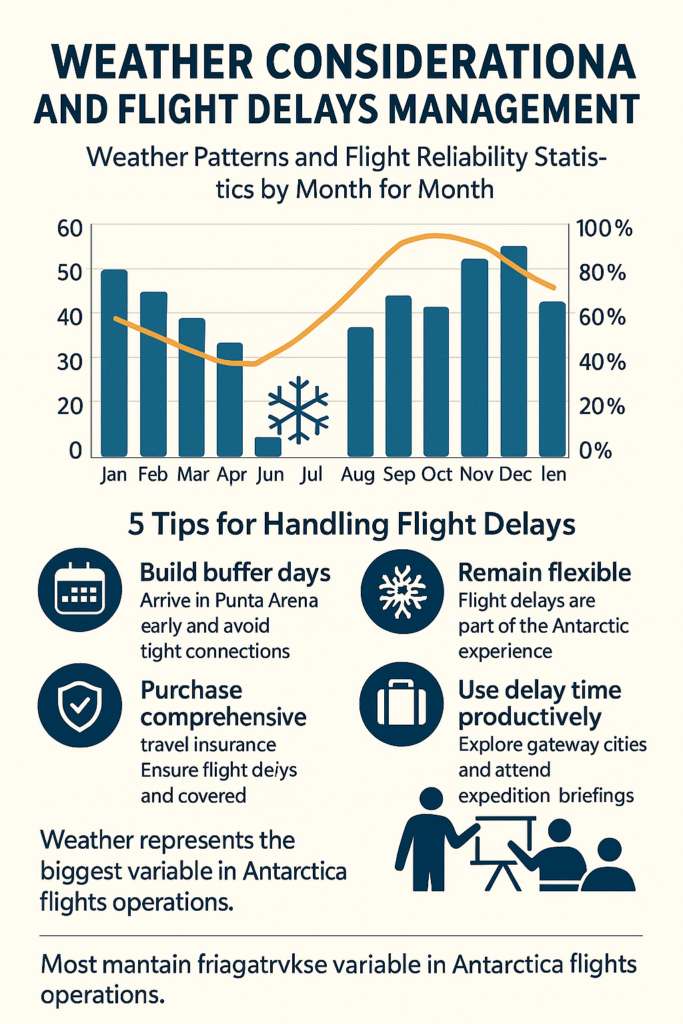
Weather represents the biggest variable in Antarctica flights operations. Antarctic weather can change dramatically within hours, turning clear conditions into storms that ground all aircraft. Understanding these patterns is crucial for anyone planning flights to Antarctica.
5 Tips for Handling Flight Delays:
Build buffer days - Arrive in Punta Arenas early and avoid tight connections
Purchase comprehensive travel insurance - Ensure it covers flight delays and extra costs
Remain flexible - Flight delays are part of the Antarctic experience
Pack essentials in carry-on - Include medications and camera equipment
Use delay time productively - Explore gateway cities and attend expedition briefings
Tour operators have developed sophisticated contingency plans for flight delays. Most maintain relationships with local hotels and can arrange additional accommodation on short notice. Some operators also maintain backup departure dates when weather conditions prove challenging.
The psychological impact of flight delays can be significant for travelers who have planned Antarctica expeditions for years. I've learned to view these delays as part of the Antarctic experience rather than obstacles, helping create a more enjoyable overall expedition.
Wildlife and Landscapes: What Awaits You on Arrival
Stepping off your plane onto the Antarctic Peninsula is an experience unlike any other. The first thing that strikes you is the sheer scale and purity of the landscape—towering glaciers, jagged peaks, and endless fields of snow stretching to the horizon. The Southern Ocean laps at the icy shores, and the air is crisp and invigorating, carrying the distant calls of seabirds.
Antarctica flights from Punta Arenas deliver you straight into the heart of this pristine wilderness, where the wildlife is as remarkable as the scenery. You might spot colonies of Emperor Penguins shuffling across the ice, seals lounging on floes, or pods of whales surfacing in the frigid waters. The Antarctic continent is a haven for photographers and nature lovers, offering close encounters with species found nowhere else on earth.
Charter flights to the Antarctic Peninsula not only save you days of travel but also provide a unique aerial perspective of the continent’s dramatic coastline and floating icebergs. As you descend, the view from the air is nothing short of spectacular, with the white expanse of Antarctica unfolding beneath you. Every arrival feels like the beginning of a true antarctic adventure, promising unforgettable moments and breathtaking scenery at every turn.
Safety and Emergency Procedures for Antarctic Flights
Safety is the cornerstone of every antarctic adventure, and flying to Antarctica is no exception. The aircraft used for charter flights are specially selected for their reliability and ability to handle the challenging conditions of the White Continent. With rugged landing gear and advanced navigation systems, these planes are built to operate on short runways and unpredictable surfaces, ensuring a secure landing even in remote locations.
Our experienced pilots and crew undergo rigorous training for polar operations, including emergency procedures tailored to the unique environment of Antarctica. In the unlikely event of an emergency, passengers can rest assured that every protocol is in place—from regular communication with air traffic control to comprehensive evacuation plans. Private aircraft and charter flights are equipped with survival gear and medical supplies, and our team is always prepared to respond swiftly to any situation.
Throughout your journey, the focus remains on passenger safety and comfort. Whether you’re flying to King George Island or a deep-field camp, you’ll be briefed on safety measures and what to expect during landings. Our commitment is to provide a safe, smooth, and memorable antarctic experience for every traveler who boards our flights.
Environmental Impact: Flying Responsibly to Antarctica
Preserving the fragile beauty of the Antarctic continent is a responsibility we take seriously. Every antarctica flight is carefully planned to minimize environmental impact, from optimizing flight paths to reducing fuel consumption. Our antarctic flights adhere to strict international guidelines, ensuring that our operations support the long-term health of this unique ecosystem.
We collaborate closely with conservation organizations and local authorities to implement best practices in sustainable tourism. By choosing to fly with us, you’re supporting efforts to protect Antarctica’s pristine environment—helping to ensure that future generations can experience its wonders. Our flight schedules are designed to limit the number of aircraft movements, and we continually assess our operations to find new ways to reduce our carbon footprint.
Flying to Antarctica is a privilege, and we’re committed to making every flight as environmentally responsible as possible. Together, we can explore the continent while safeguarding its extraordinary landscapes and wildlife.
Packing and Gear: What to Bring for an Antarctic Flight Adventure
Preparing for your antarctic adventure begins with packing the right gear. Direct flights from Punta Arenas mean you’ll be stepping into one of the world’s most extreme environments just hours after departure, so it’s essential to be ready for the conditions. Start with a high-quality, insulated parka and waterproof outer layers—these will be your first line of defense against the cold and wind.
Sturdy, waterproof boots are a must for excursions on snow and ice, while thermal base layers, gloves, and a warm hat will keep you comfortable during outdoor activities. Don’t forget practical items like sunscreen and sunglasses—the Antarctic sun can be surprisingly intense, especially with the reflection off the snow. A camera and binoculars are invaluable for capturing wildlife and the spectacular scenery, and a waterproof bag will help protect your electronics from the elements.
Our tour operators provide detailed packing lists and are always available to answer questions about what to bring. With the right preparation, you can focus on enjoying your trip and making the most of every moment on the White Continent.
Cost Comparison: Flying vs. Sailing to the White Continent
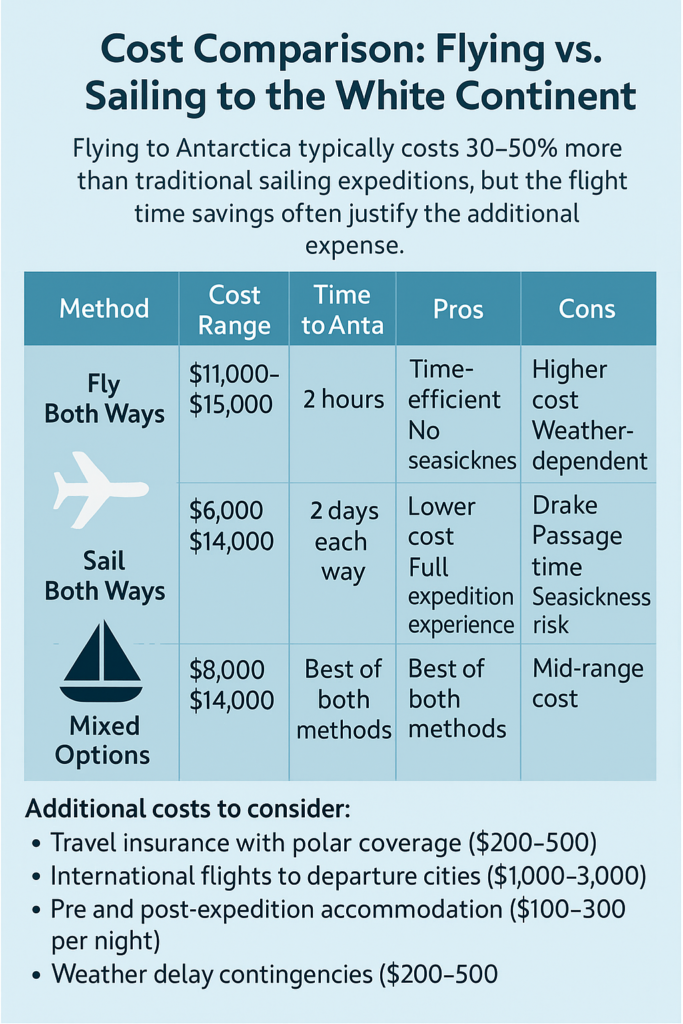
Flying to Antarctica typically costs 30-50% more than traditional sailing expeditions, but the flight time savings often justify the additional expense. The exact cost difference depends on expedition length, cruise ship size, included activities, and whether you choose cruises or fly-cruise packages, which differ in terms of included amenities and ship size.
Cost and Time Comparison:
Method | Cost Range | Time to Antarctica | Trip Duration | Pros | Cons |
Fly Both Ways | $11,000-$15,000 | 2 hours | 8-10 days | Time-efficient, No seasickness | Higher cost, Weather-dependent |
Sail Both Ways | $6,000-$12,000 | 2 days each way | 10-12 days | Lower cost, Full expedition experience | Drake Passage time, Seasickness risk |
Mixed Options | $8,000-$14,000 | Mixed | 9-11 days | Best of both methods | Mid-range cost |
The higher cost of flights to Antarctica reflects several factors beyond charter flights themselves. Fly-cruise expeditions typically operate smaller cruise ship vessels with higher passenger-to-crew ratios, providing more personalized service. Many Antarctic cruises offer amenities such as laundry service, enhancing comfort during the voyage.
When comparing ship sizes, small ship expeditions provide a more intimate and flexible cruising experience, allowing better access to remote sites and unique landings.
However, the value proposition becomes attractive when considering cost per day of actual White Continent exploration. Traditional sailing expeditions include four Drake Passage days in total duration, meaning you’re paying for days when you’re not in Antarctica. Cruising on specialized ships offers unique opportunities for wildlife viewing and adventure activities, while flying maximizes your time on the continent itself.
Additional costs to consider:
Travel insurance with polar coverage ($200-500)
International flights to departure cities ($1,000-3,000)
Pre and post-expedition accommodation ($100-300 per night)
Weather delay contingencies ($200-500)
Booking Your Antarctic Flight Experience
Booking flights to Antarctica requires working with specialized tour operators rather than traditional airlines. The key to successful booking lies in understanding how these unique travel packages operate and what factors influence availability.
Key booking considerations:
Expedition operator reputation and polar experience
Cruise ship size and amenities for White Continent exploration
Contingency plans for flight delays and bad weather
Included activities and Antarctic Peninsula landing opportunities
Environmental policies supporting responsible tourism
The booking process typically begins 12-18 months before travel, as Antarctica flights and ship capacity are limited. Popular departure dates during austral summer often sell out more than a year in advance.
Most tour operators require deposits of $2,000-5,000 per person, with final payments due 90-120 days before Antarctica depart dates. Travel insurance should be purchased immediately to protect against cancellation or medical issues.
Insurance and Emergency Funds: Preparing for the Unexpected
Traveling to Antarctica is an extraordinary adventure, but it’s important to be prepared for the unexpected. We strongly recommend that all passengers secure comprehensive travel insurance that covers medical emergencies, evacuations, trip cancellations, and delays. The remote nature of the continent means that even minor incidents can require specialized assistance, so having the right coverage is essential for peace of mind.
In addition to insurance, it’s wise to set aside an emergency fund to cover unforeseen expenses, such as additional accommodation or rebooking flights in case of weather-related delays. Our team is dedicated to supporting you throughout your journey, working with both charter flights and commercial flights to ensure that any disruptions are managed smoothly and efficiently.
By planning ahead and choosing reliable antarctic flights, you can focus on the excitement of your trip, knowing that you’re protected against the challenges that come with exploring one of the world’s most remote destinations. Your safety and well-being are always our top priorities as you embark on your Antarctic adventure.
My Personal Antarctic Adventure Flying Experience
My first flight to Antarctica remains one of the most transformative travel experiences of my life. As our BAE 146 approached King George Island, the pilot announced our descent over the Antarctic Peninsula, and suddenly we were flying over a landscape more like another planet than Earth.
The moment our wheels touched the gravel runway, I knew my perspective on travel had changed forever. Here I was, standing in Antarctica just two hours after leaving Punta Arenas, surrounded by pristine wilderness that few humans witness. The efficiency of reaching the White Continent by air had given me precious extra days to explore this extraordinary continent.
During subsequent flights to Antarctica, I've learned to appreciate different aspects of the aerial approach. The view of the Drake Passage from above reveals the massive scale of Southern Ocean swells. Flying over the Antarctic Peninsula provides unique perspectives on glacial formations invisible from ship level.
Each flight has offered distinct experiences based on weather conditions and seasonal variations. Early season Antarctica flights provide views of extensive sea ice, while late season flights reveal more open water and different wildlife patterns around the Antarctic Circle.
FAQs About Flights to Antarctica
Can you fly to Antarctica?
Yes, but only through specialized charter flights that are part of expedition packages. Commercial flights to Antarctica don't exist for regular tourists.
How expensive is it to fly to Antarctica?
Flying to Antarctica typically costs $11,000-15,000 per person as part of complete expedition packages, representing an extra cost compared to $6,000-12,000 for sailing expeditions.
Who is allowed to fly to Antarctica?
Any tourist can book flights to Antarctica through authorized tour operators, though some expeditions have age or fitness requirements for Antarctic adventure activities.
How much will it cost to go to Antarctica?
Total costs including flights to Antarctica, expedition, and travel expenses typically range from $12,000-20,000 per person, depending on expedition length and luxury level.
Conclusion: Is Flying to the White Continent Right for You?
Deciding whether to book flights to Antarctica depends on your personal priorities, time constraints, and travel philosophy. If maximizing your time on the White Continent is your primary goal, flying represents the most efficient option available. The four days saved by avoiding Drake Passage crossings provide significantly more opportunities for Antarctic Peninsula exploration, wildlife observation, and unique experiences.
Flying is particularly well-suited for travelers with limited vacation time, those concerned about seasickness, or anyone wanting to maximize their actual time in Antarctica. The higher cost is often justified by enhanced certainty of reaching the continent and additional exploration days provided.
However, traditional sailing expeditions offer their own rewards, including gradual transition into Antarctic environments and the historic experience of crossing the Drake Passage. The choice ultimately depends on whether you prioritize efficiency and certainty or prefer the traditional expedition approach.
Based on my extensive experience with both methods, I recommend flights to Antarctica for first-time visitors who want to ensure they reach the White Continent and maximize their exploration time. The memories created during those extra days on the continent are truly priceless and will last a lifetime.